To model a steel structure in Inventor, draw a 3D sketch skeleton (one line per member) in its own part, place it in an assembly, then use Design tab > Insert Frame to put beams and columns on the lines. Finish by trimming and mitering the ends with the Frame Generator end treatment tools.
Inventor isn’t a steel detailing program, but its Frame Generator can build a simple steel frame pretty quickly. The trick is to start with a skeleton: a 3D sketch of lines where the members go. Then you tell Inventor which section to put on each line. Here’s the whole process, from an empty assembly to a finished frame.
How do I draw the skeleton?
- Go to File > New.
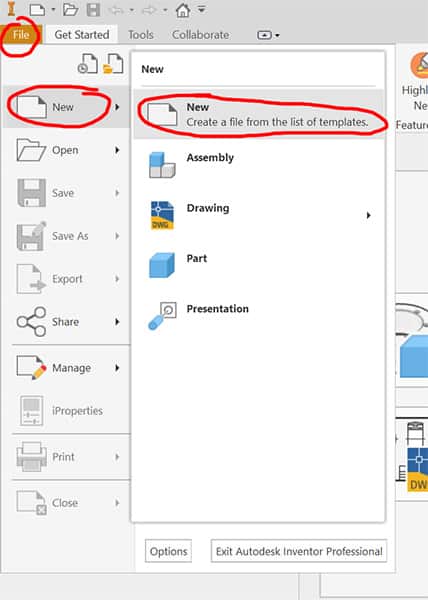
- In the dialog, go to Assembly, choose Standard.iam and click Create.
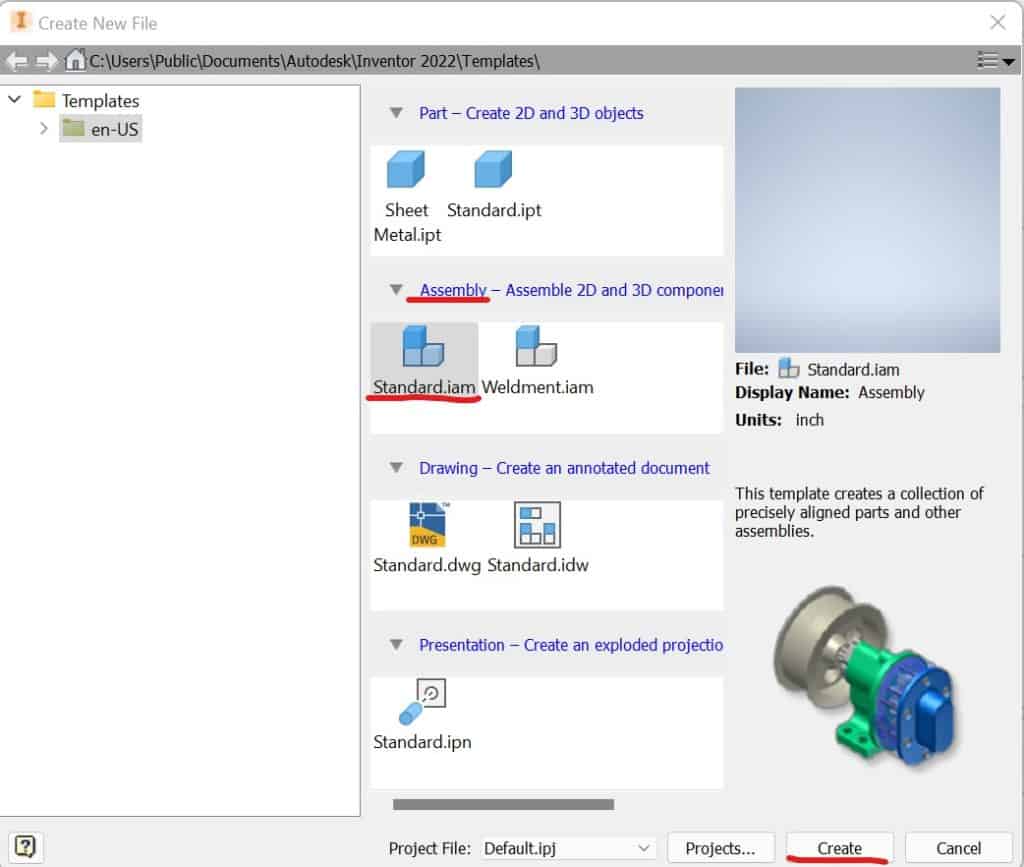
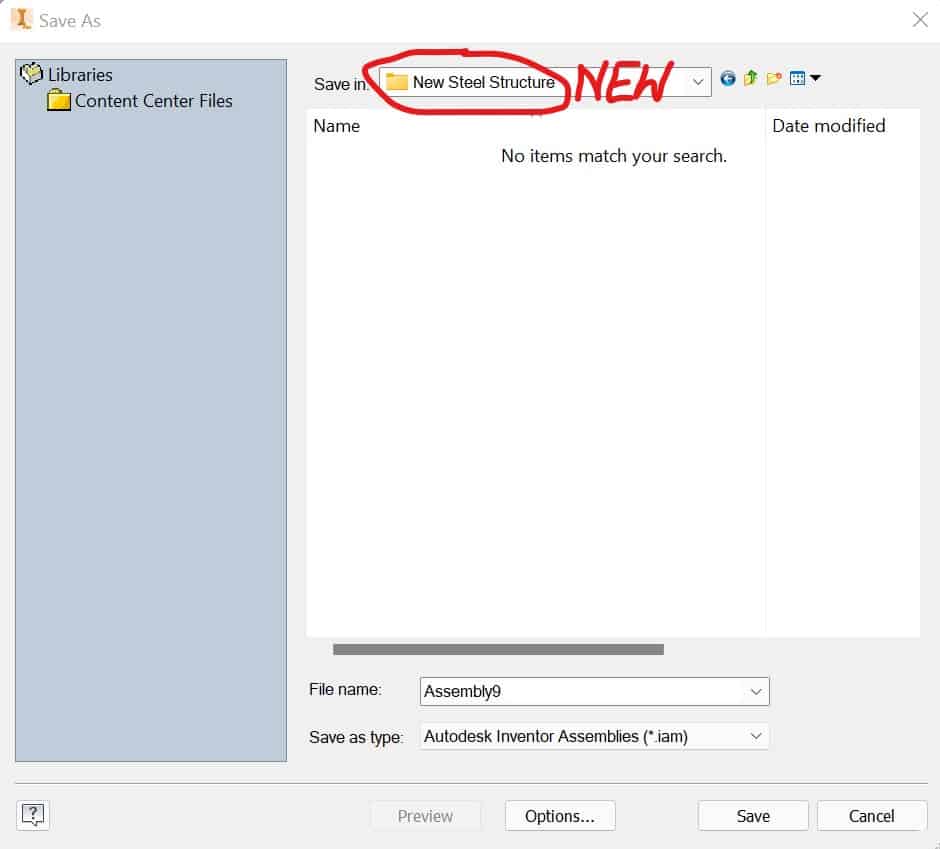
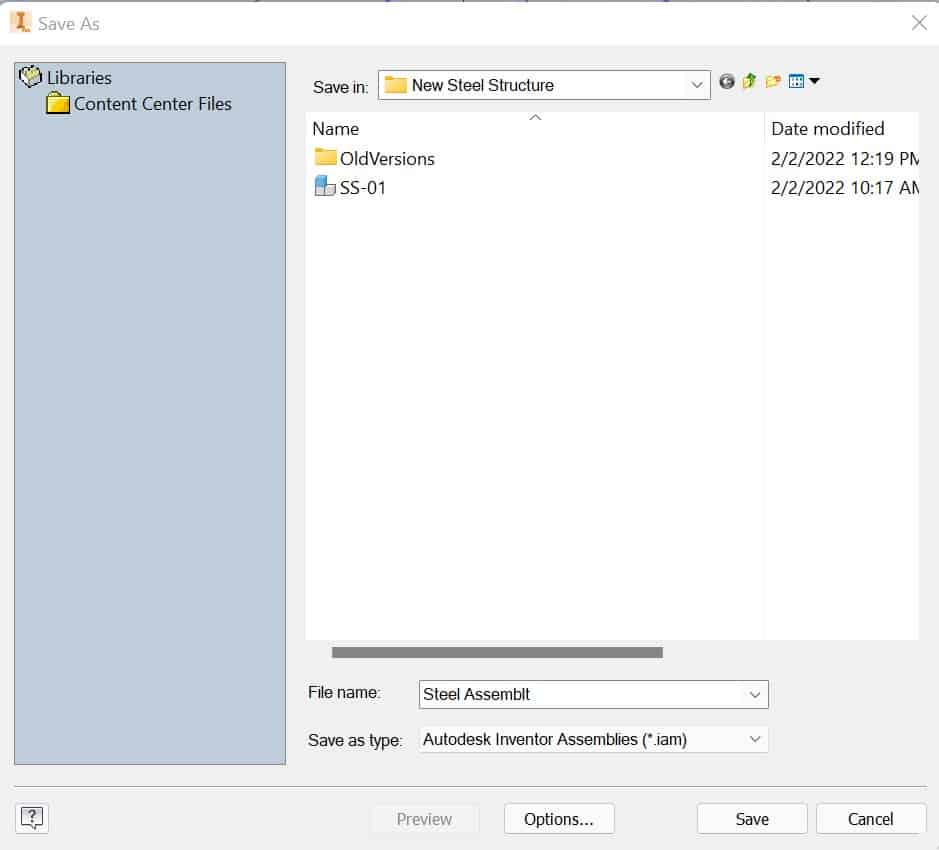
- Save the assembly in a new folder. Keep all the files for this project in that folder.
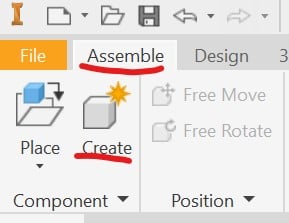
- On the Assemble tab, click Create.
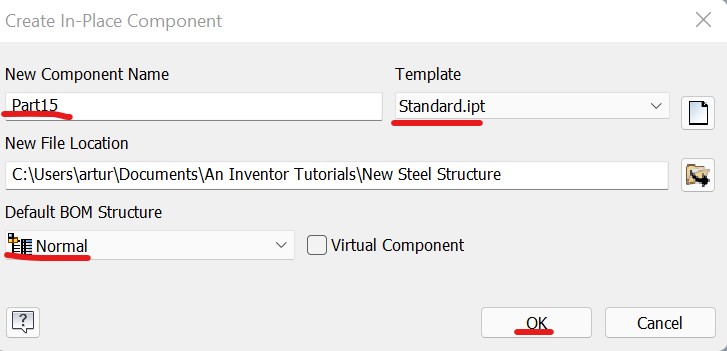
- Make sure the template is Standard and BOM Structure is Normal, then click OK.
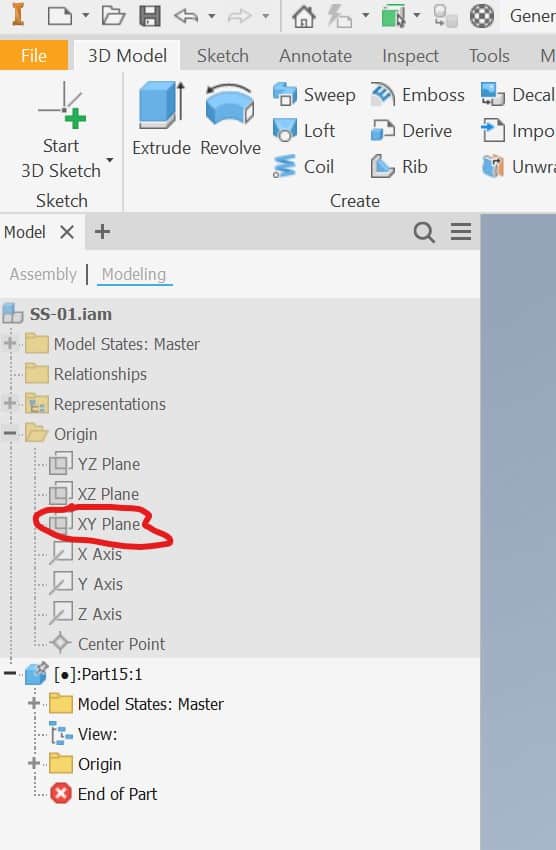
- In the Model Browser, pick the XY Plane.
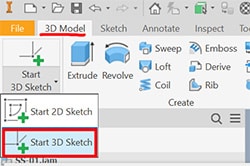
- Click Start 3D Sketch.
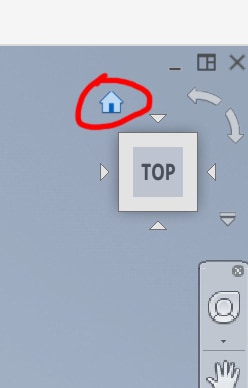
- Click Home next to the ViewCube to get an isometric view.
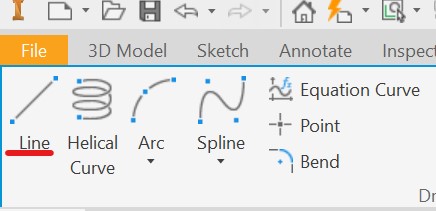
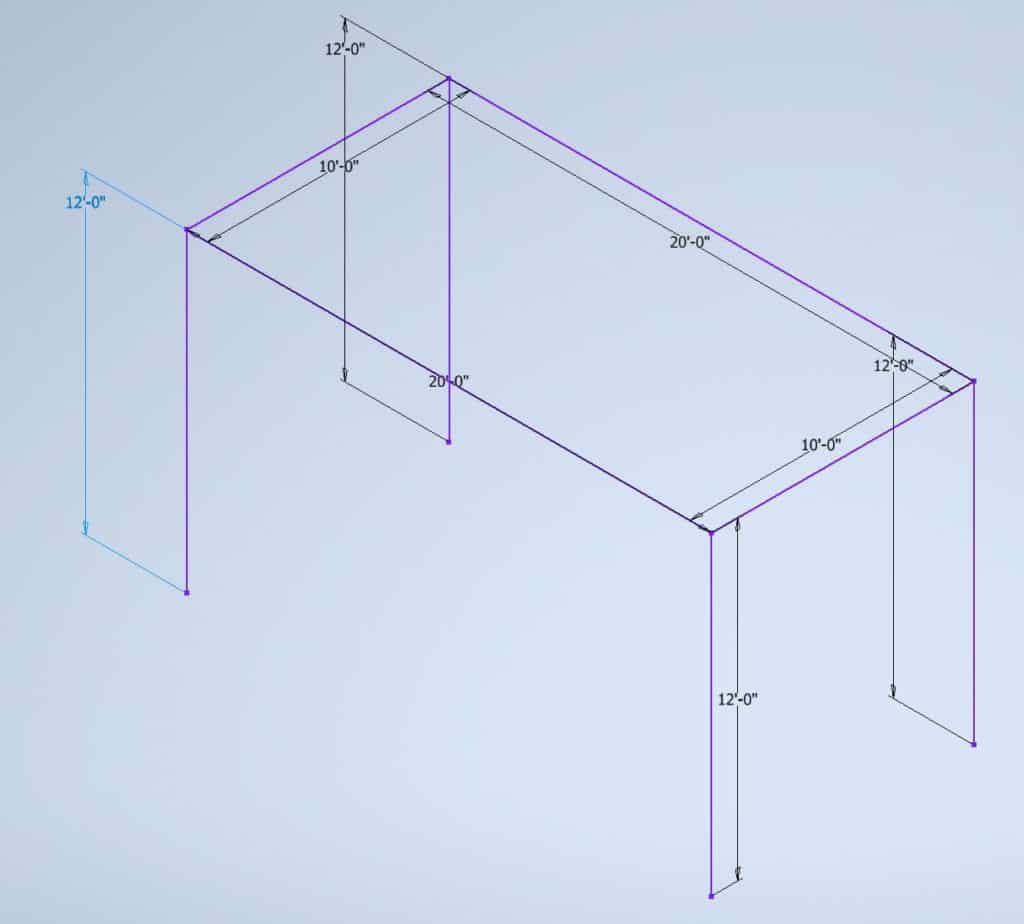
- Draw the skeleton with the Line tool. One line for each beam and column.
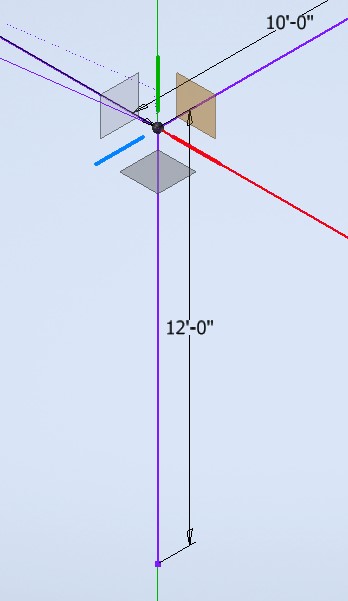
To draw in a different plane, click that plane first:
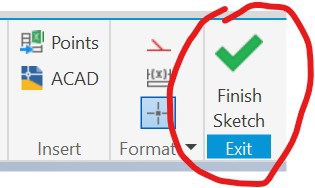
- When the skeleton is done, click Finish Sketch.
- Save the file and close it.
How do I insert frame members?
- Create a new assembly and save it under a new name.
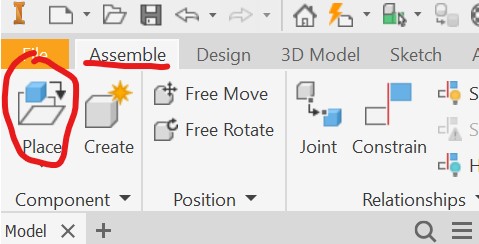
- Bring in the skeleton with Place.
- Position the skeleton and click OK.
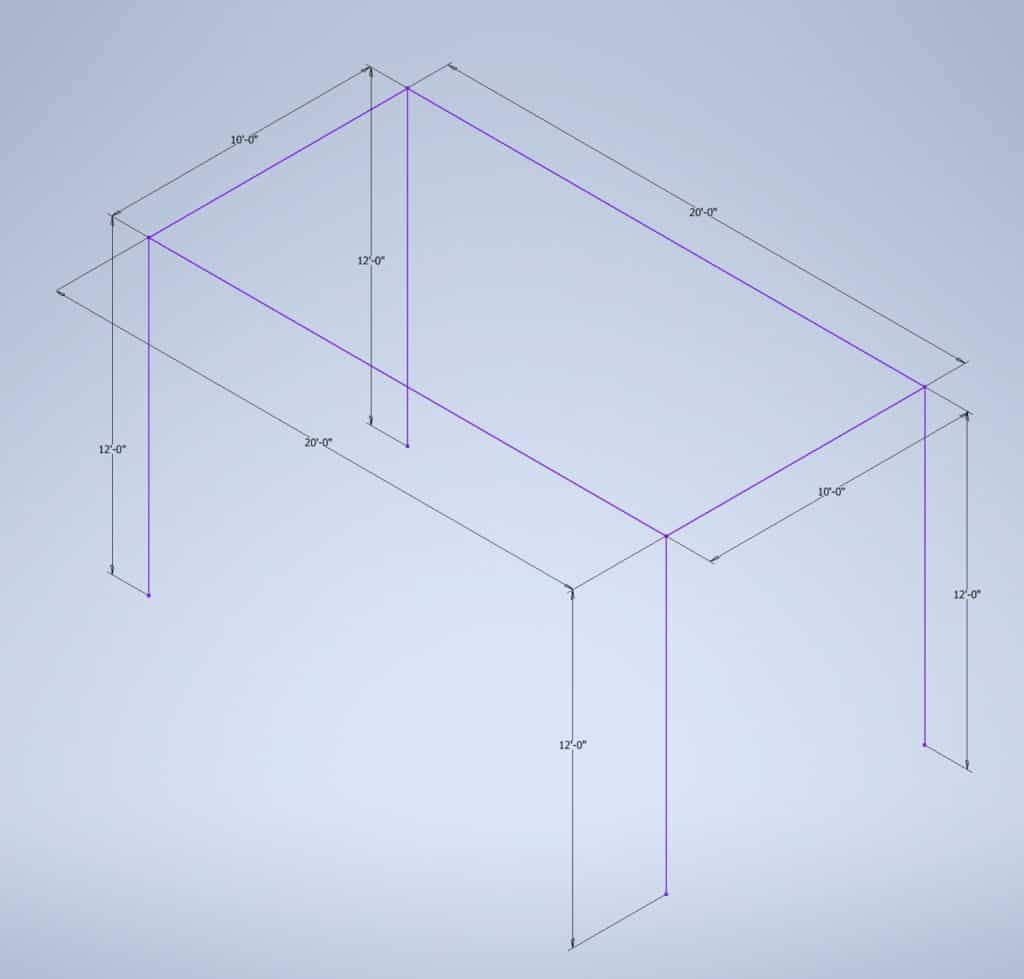
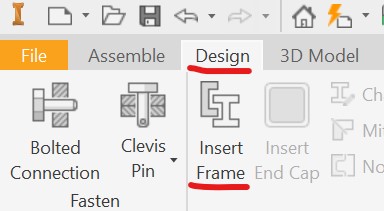
- Start with the horizontal beams. On the Design tab, click Insert Frame.
- Inventor asks you to save the frame assembly. Give it a new, unique name and save it in the same project folder.
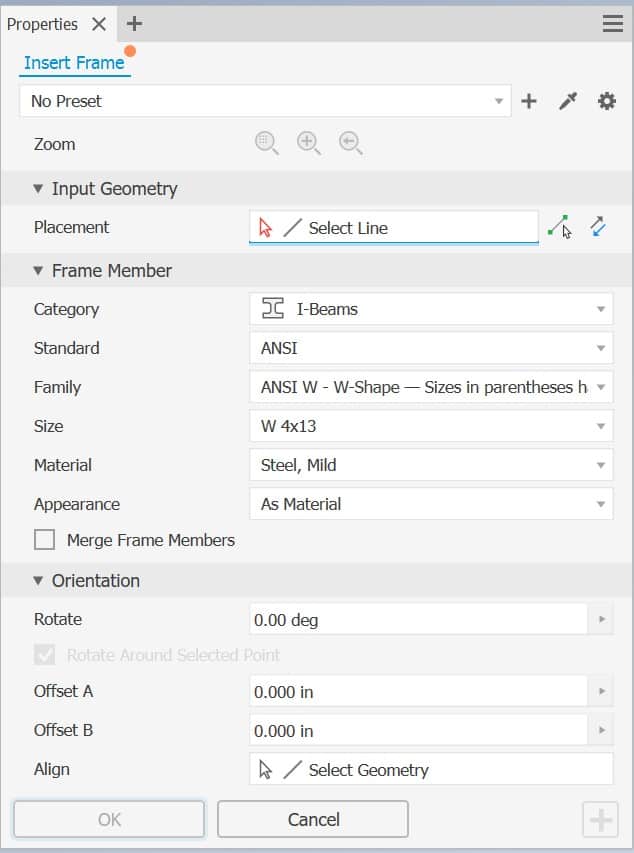
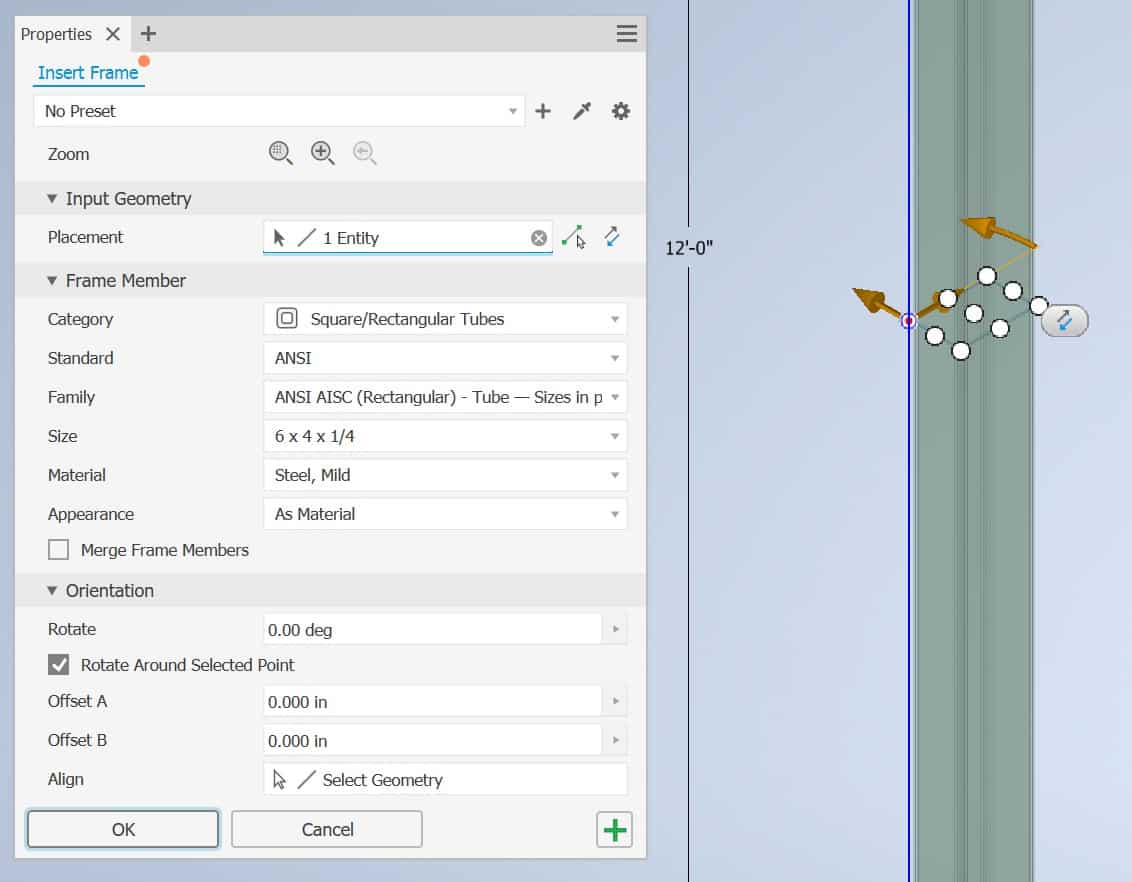
- In the Insert Frame dialog, pick the Category, Family, Size and Material of the member.
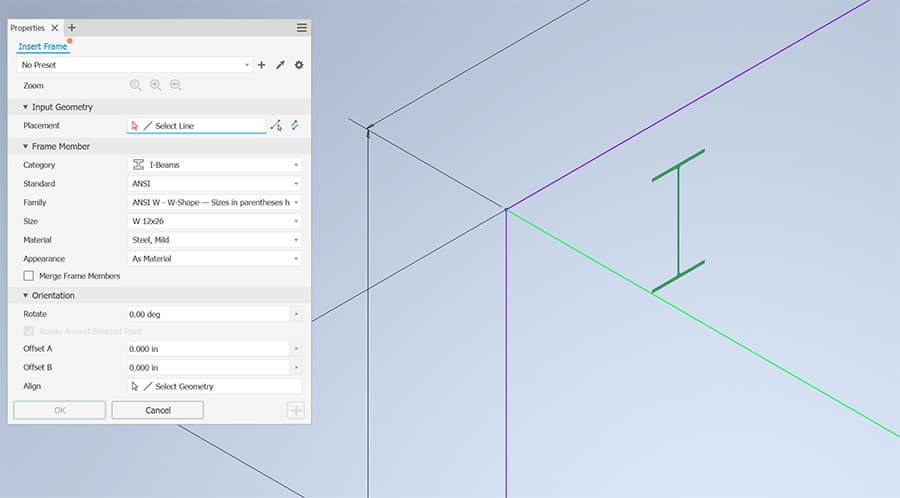
- Click the line where the beam goes. It turns light green.
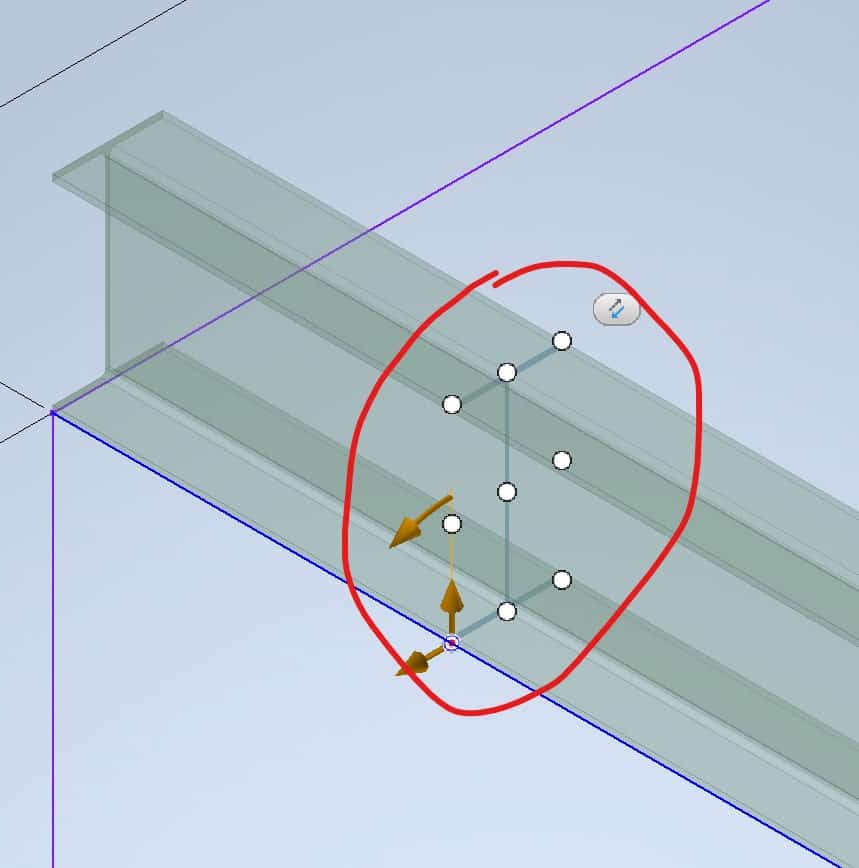
- Choose how the beam sits relative to the line. There are 9 positions to choose from, like top center or centered.
- Click the rest of the beam lines.
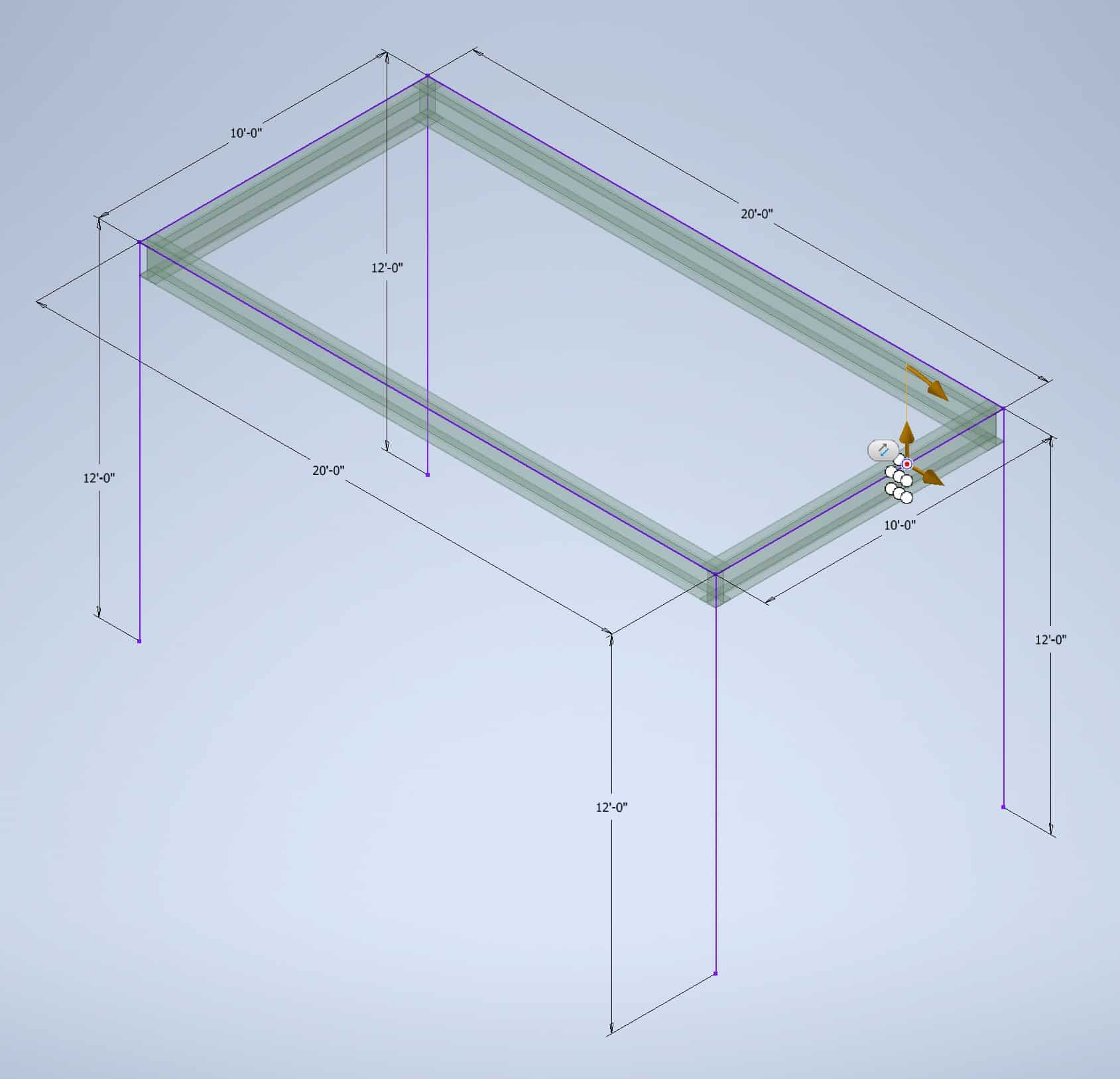
- Click OK to finish.
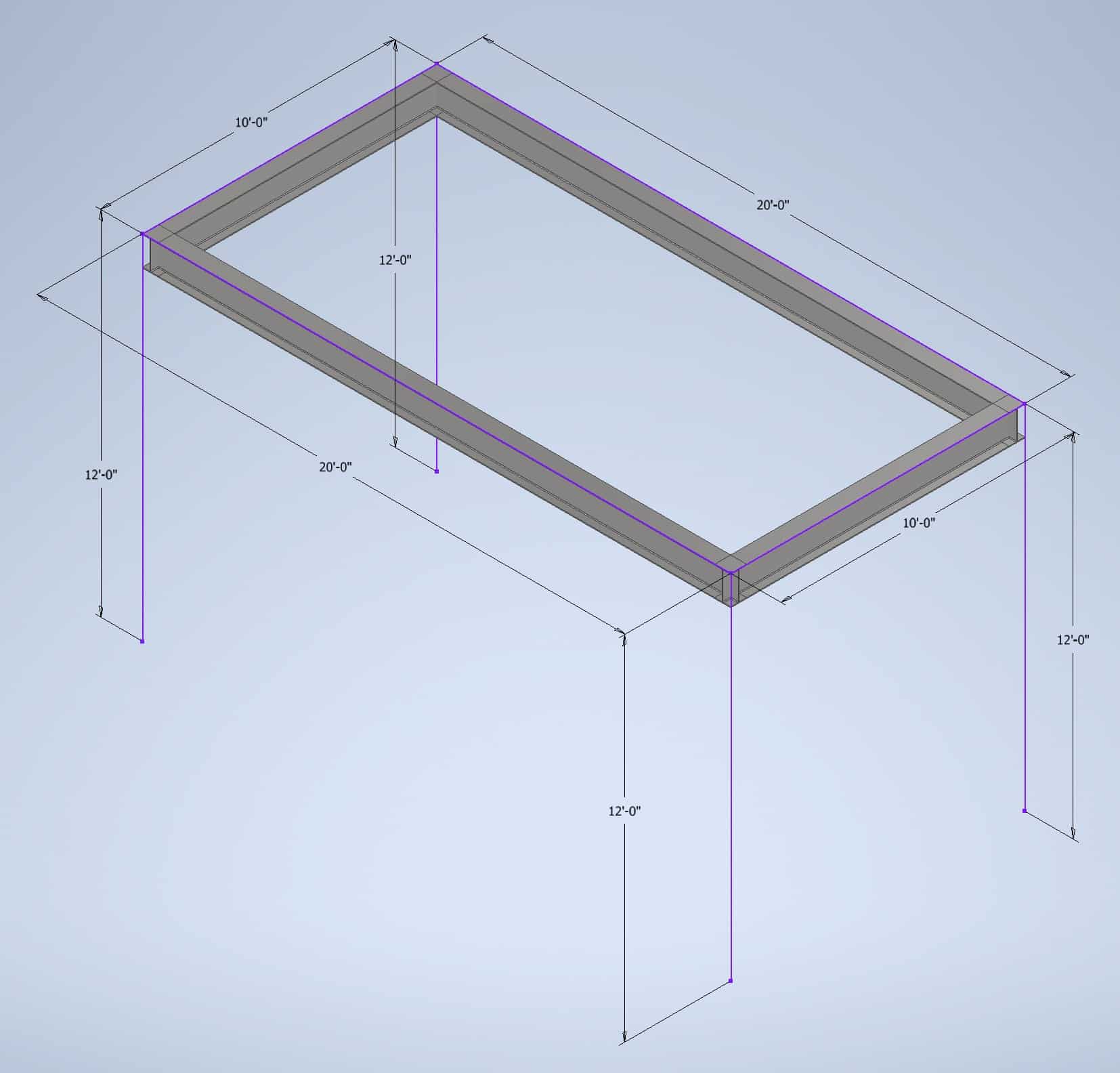
- Do the same for the columns.
How do I trim and miter the ends?
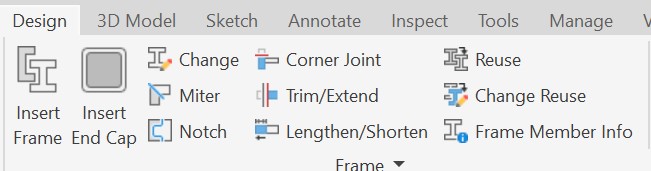
Once the columns are in, adjust the column heights so they butt against the beams, and miter the beam-to-beam corners.

All the end treatment tools are on the Design tab, in the Frame panel:
Finally, hide or remove the skeleton. The steel structure is done:
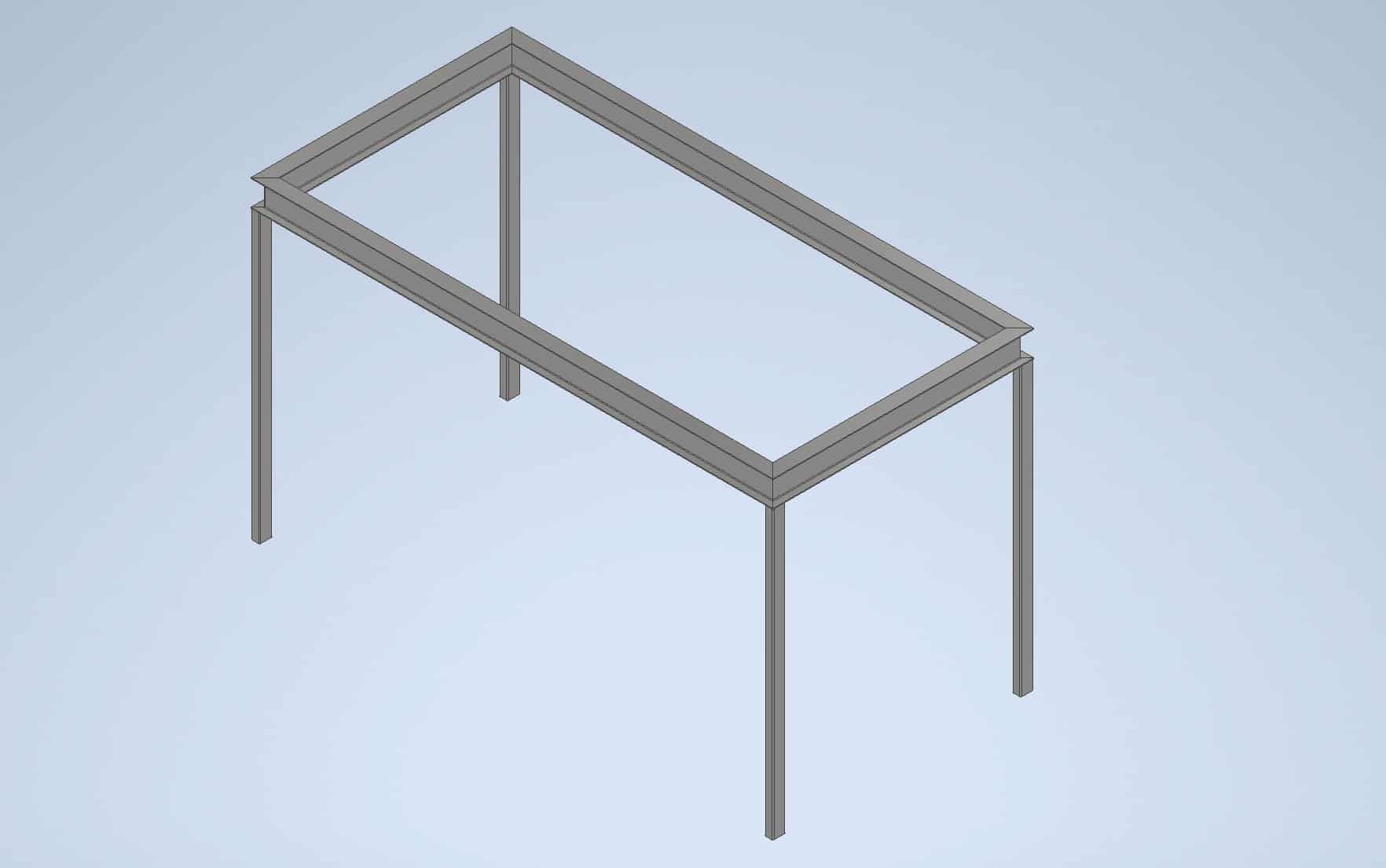
Is Inventor good for steel detailing?
For small frames, skids, equipment supports and machinery bases, Frame Generator works well. For building steel with lots of connections, erection drawings and numbering, a steel detailing program like Advance Steel is faster. See how the Advance Steel workflow works.
What if Frame Generator doesn’t work?
- Members won’t place. Frame Generator needs Content Center libraries to be available. Check the project’s library settings.
- Changing the skeleton doesn’t update the frame. Edit the skeleton part, save it, then update the assembly.
- Deleting the skeleton breaks the frame. Hide it instead; the members are tied to it.