To create grid lines in Revit, open a plan view, start the Grid tool (Architecture or Structure tab, Datum panel, or type GR) and click the start and end of the first line. For the next lines, type the spacing in Offset, use Pick Lines and click the previous grid line. Then rename the bubbles and lock the spacing with dimensions.
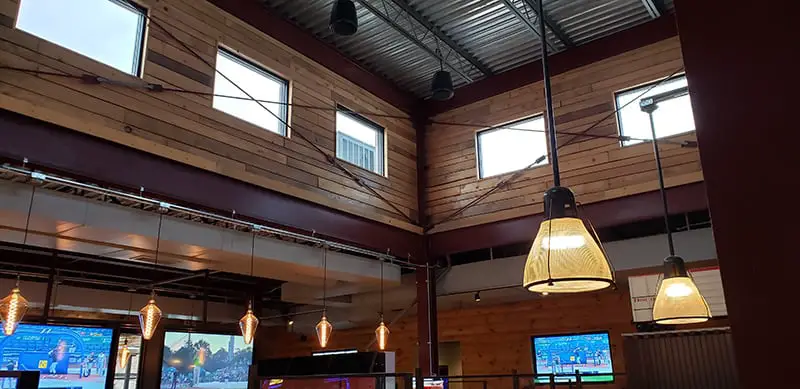
This is part 1 of my Revit structural series. Over the series we’ll build a complete 3D model of a small steel structure, step by step. The project is real: a cozy Italian restaurant with excellent pizza that I worked on in 2020. Everything starts with the grid, so that’s what we’ll do first.
Video walkthrough

How do I start a structural project in Revit?
Open Revit and create a new project. In the US, use the Imperial Structural template; if your area uses metric, pick the metric one. Click OK.
How do I create grid lines in Revit?
- Open the Site plan (any plan view works).
- On the Architecture tab, click the Grid tool on the left side of the ribbon, or type
GR. - Click exactly where you want the grid line to start, then click where it should end. You can also type a length.
- To show a grid bubble at an end, check the small box at that end of the line.
For the next lines, type the spacing in the Offset box, choose the green Pick Lines tool in the Draw panel, and click the previous grid line. Place each new line to the left or right of the last one, and repeat.
Tip 1: Revit names grid lines automatically. To change the naming sequence, double-click the bubble and type a new name. The lines after it will follow. You can also rename any grid later.
Tip 2: You can pick a standard scale for the view or set up a custom one.
Tip 3: To move the whole grid, select all the grid lines and use Move.
How do I number and letter the grid?
It works the same way. Draw the first line, then add the rest with an offset from the previous one. I type “A” in the first bubble so this direction is lettered A, B, C and so on.
Tip 4: If you get a spacing wrong, put a dimension between the two grid lines, click the dimension text and type the correct distance. The grid line moves.
Tip 5: Dimensions are fully customizable in Properties. I make mine blue with a transparent text background. A few more things you can do with them:
- Add or remove witness lines with Edit Witness Lines on the ribbon.
- Lock a dimension to freeze the spacing between two grid lines.
- Drag the grip at the end of a grid line to change its length.
That’s the whole grid for the restaurant, done in under 10 minutes.
Why don’t my grid lines show in a view?
- In a plan view: the grid has to cross the level of that view. Grids usually do unless their 3D extents were changed. Check them in an elevation.
- In an elevation or section: the view has to cut across the grid line. A grid parallel to the view direction won’t show.
- Hidden by the view: check Visibility/Graphics (type
VG) and make sure Grids is turned on, and that nothing is hidden in the view (the light bulb icon at the bottom of the window shows hidden elements).
Next: Part 2: Creating levels.