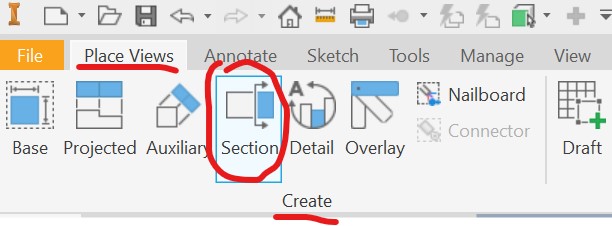
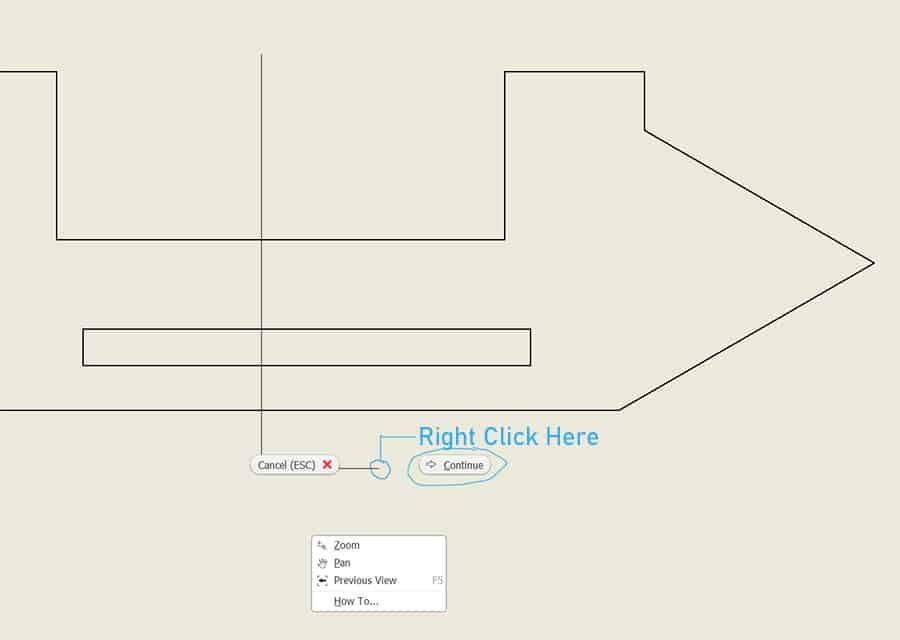
To make a section view in an Inventor drawing, click Section on the Place Views tab, pick the parent view, draw the cut line across it, right-click and choose Continue, then place the section view. Auxiliary and broken views work the same way, from the same tab.
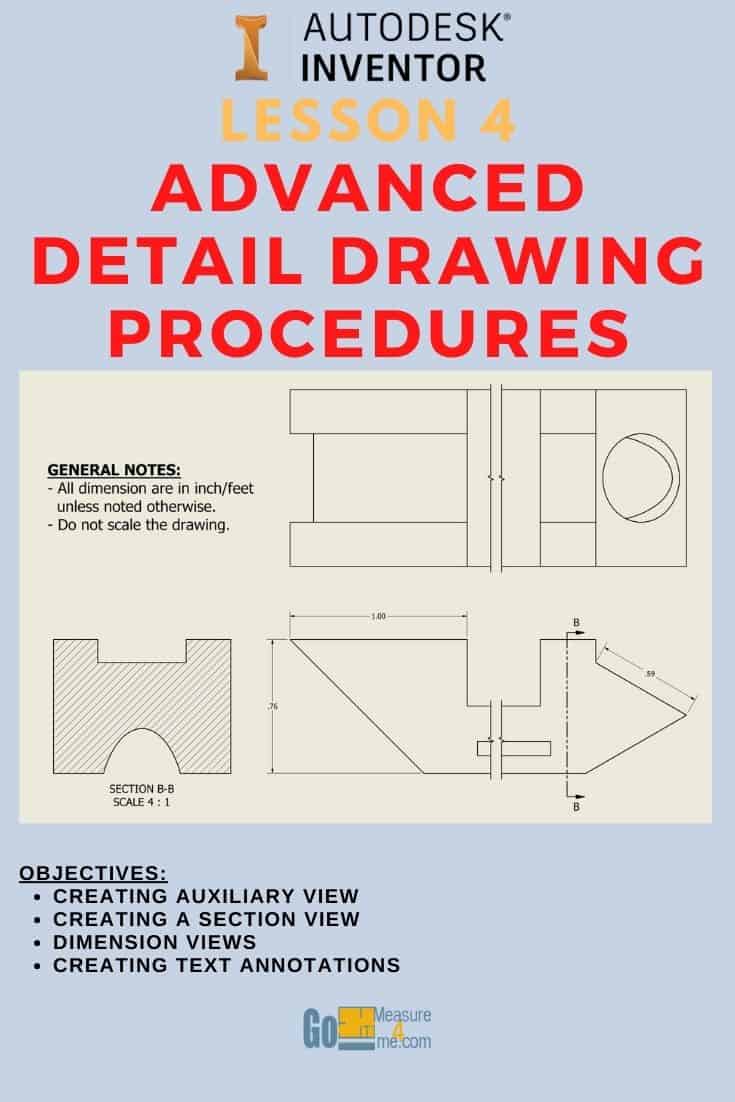
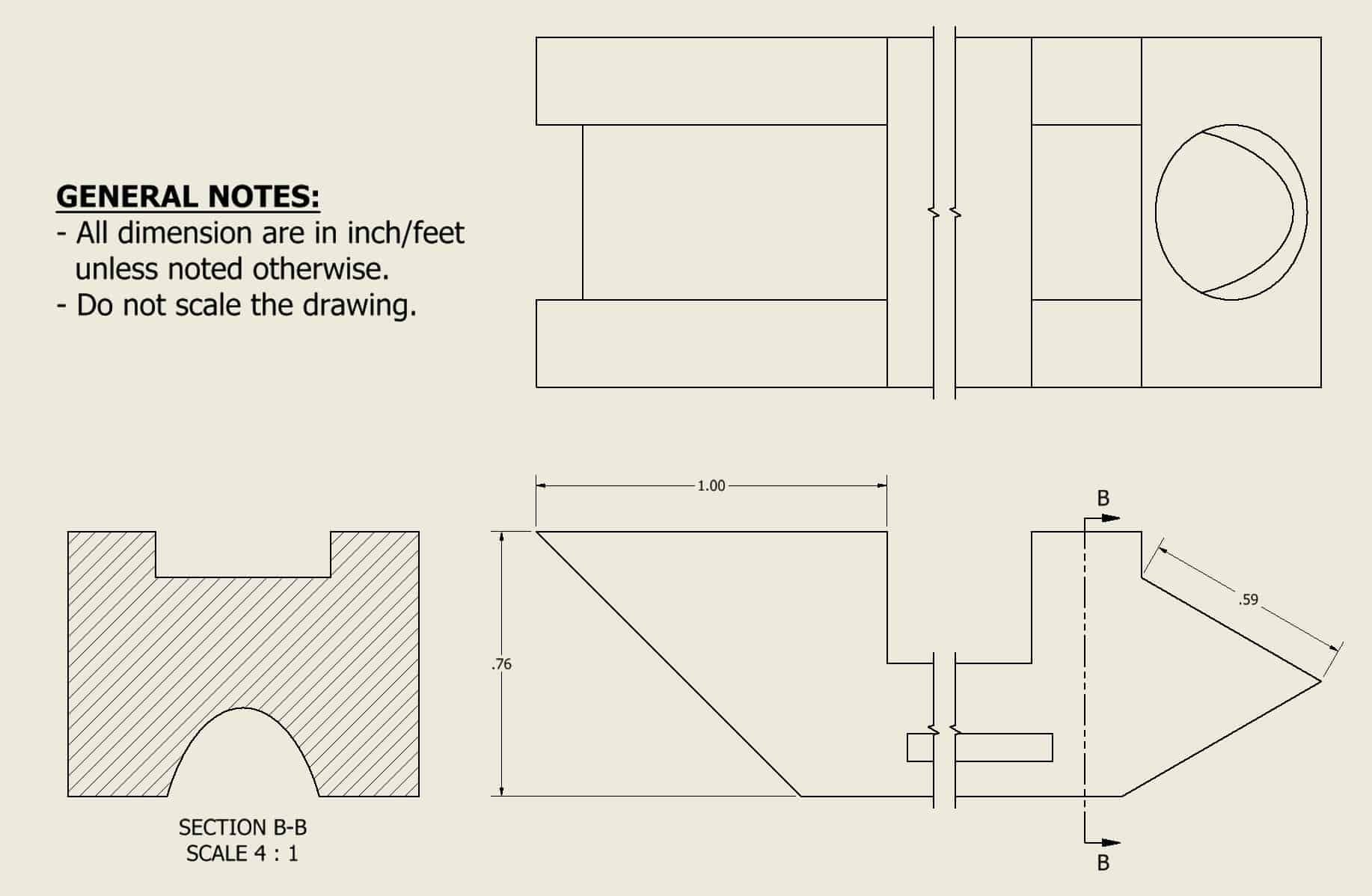
Lesson 4 of my Autodesk Inventor series. In lesson 3 we put a part on a drawing sheet with basic views. Real shop drawings need more than that: a true view of a sloped face, a section through the part, a broken view for long pieces, dimensions, and notes. That’s what this lesson covers:
- Auxiliary views
- Section views
- Broken views
- Dimensions
- Text notes
How do I set up the part and drawing?
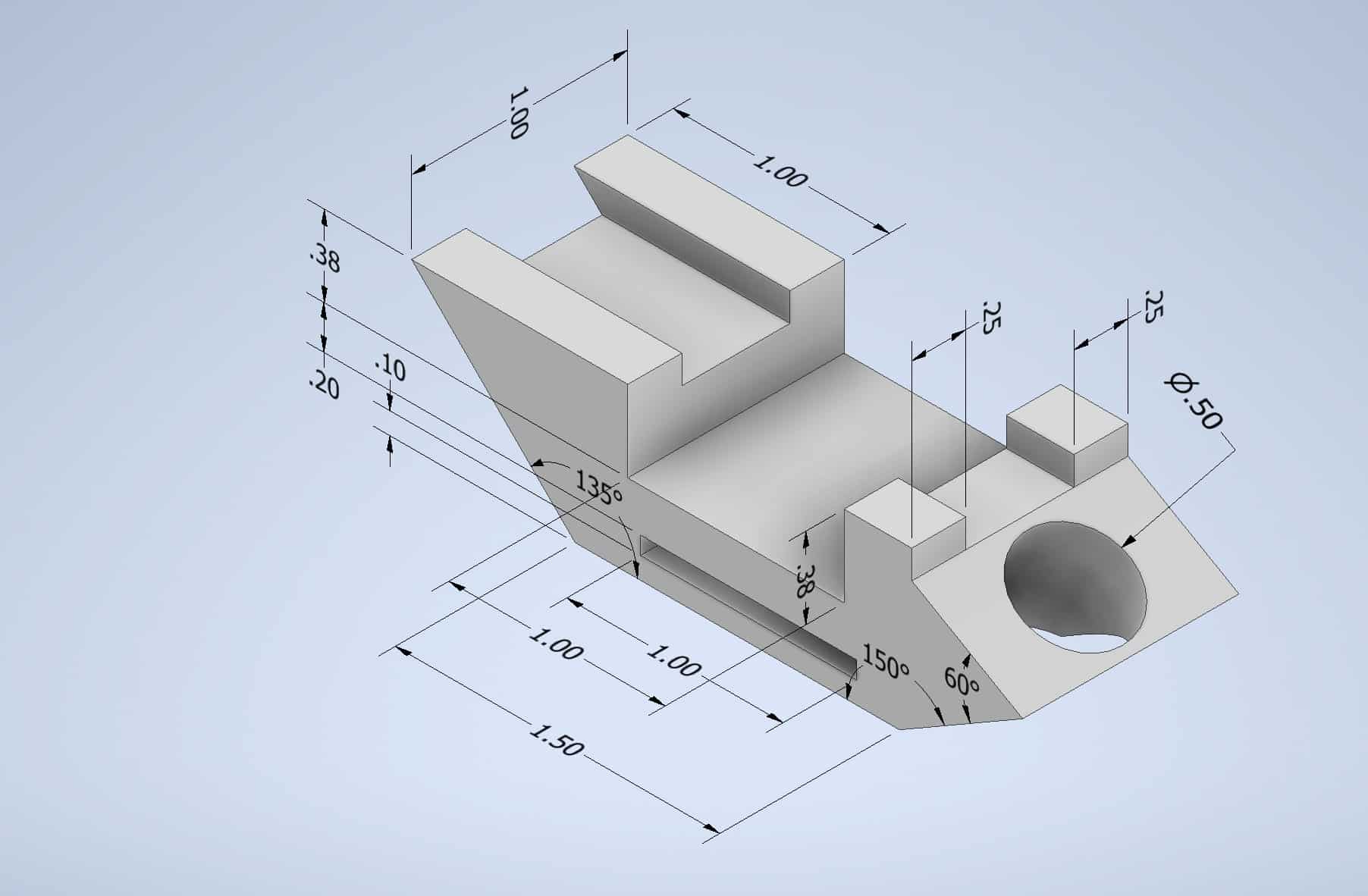
- Model the part below, using the steps from lesson 1.
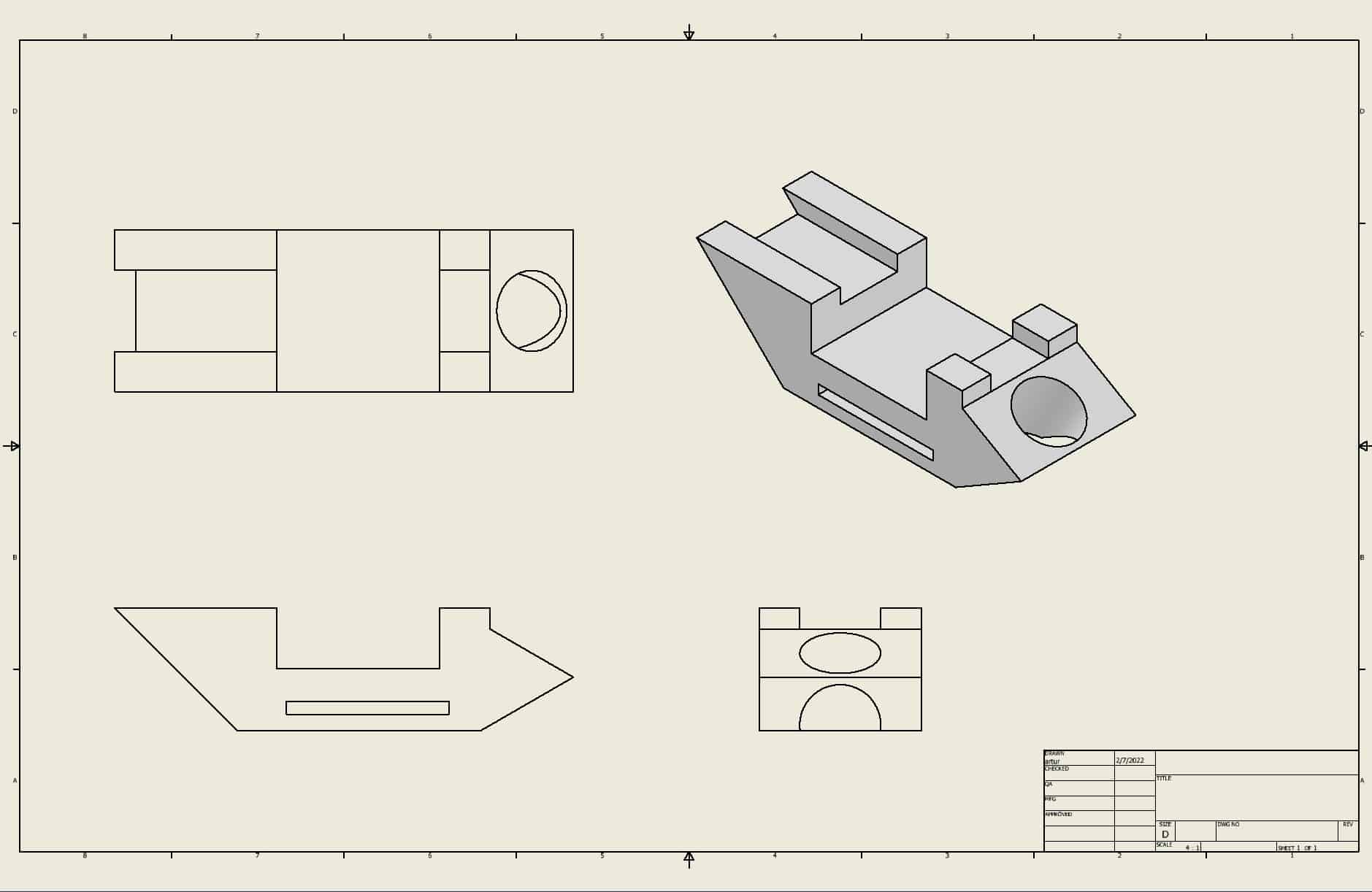
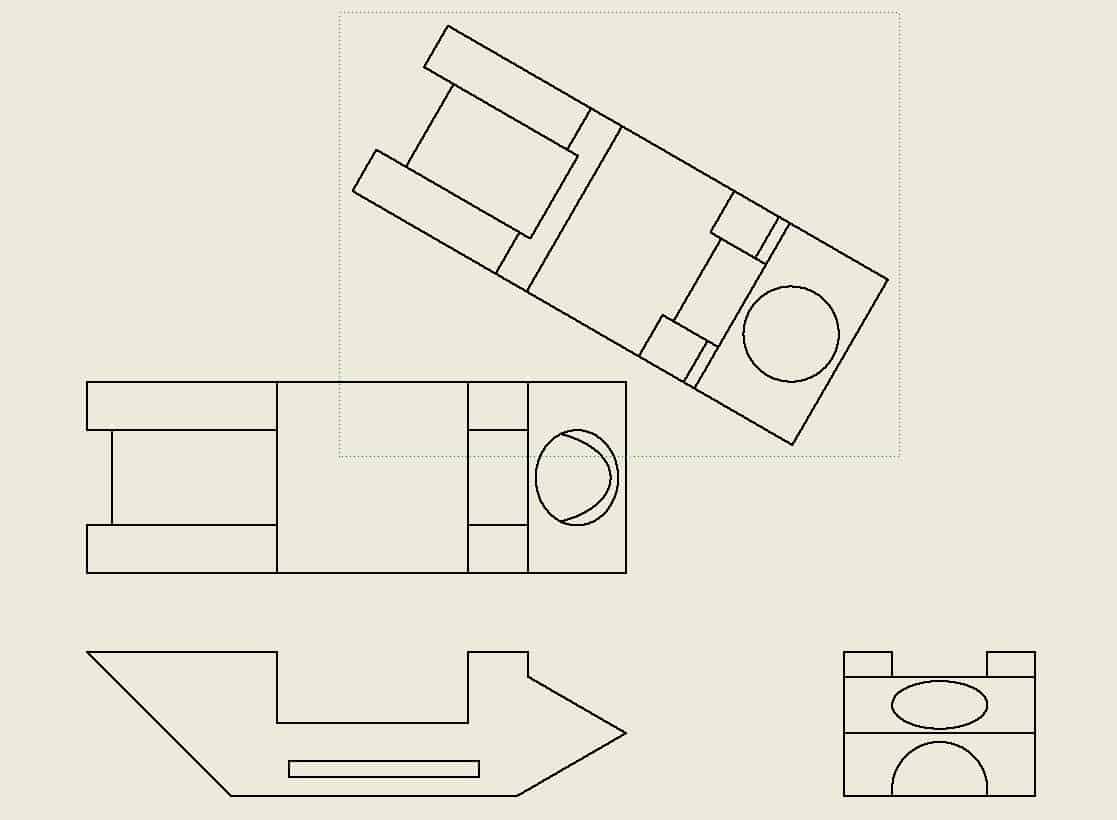
- Put it on a drawing sheet as in lesson 3. It should look like this:
- We don’t need the isometric view this time. Right-click the dotted frame around it and choose Delete.
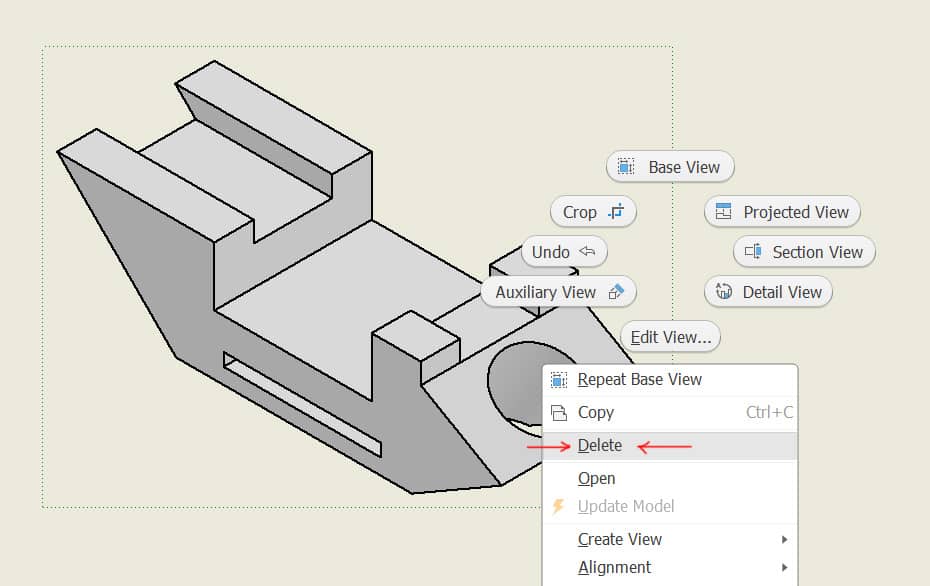
- Confirm with OK.

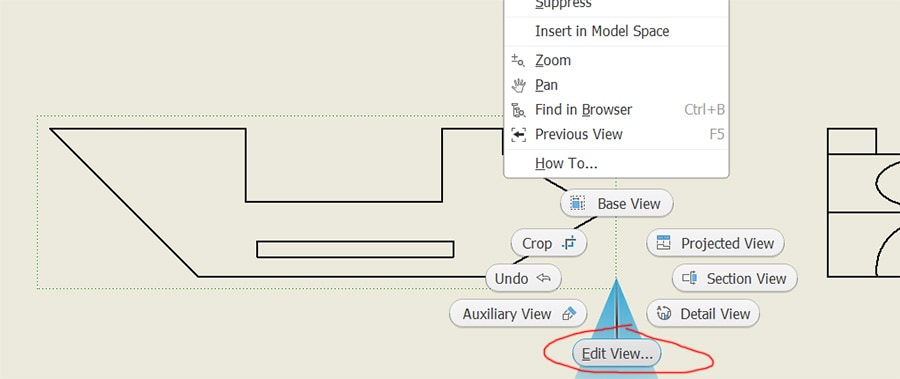
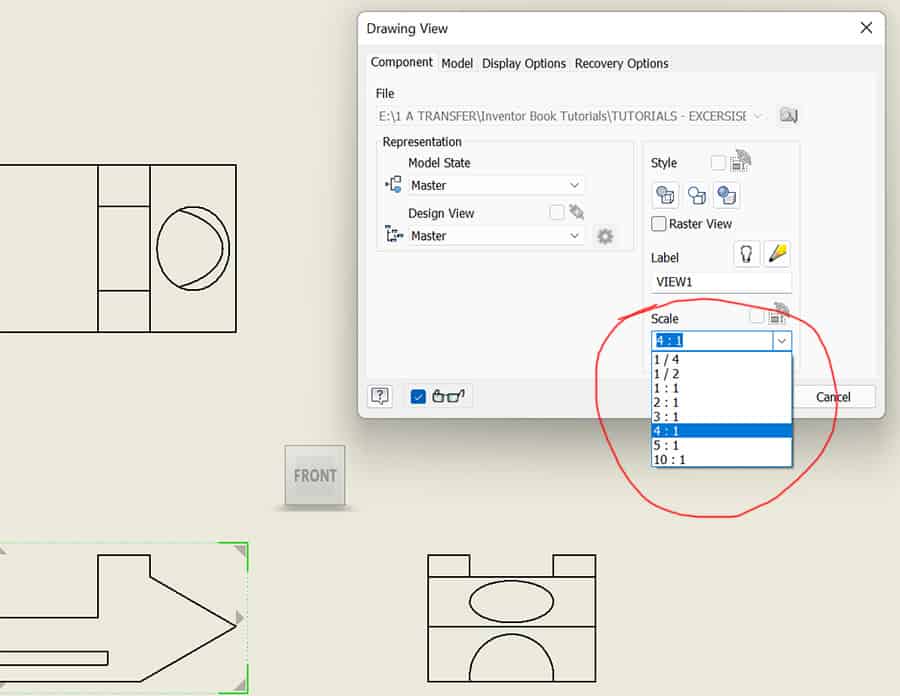
If the sheet is getting crowded, change the scale: right-click the base view, choose Edit View, and pick a scale from the drop-down.
How do I make an auxiliary view?
An auxiliary view shows a sloped face at its true size and shape.
- Start Auxiliary: Place Views tab > Create panel > Auxiliary.
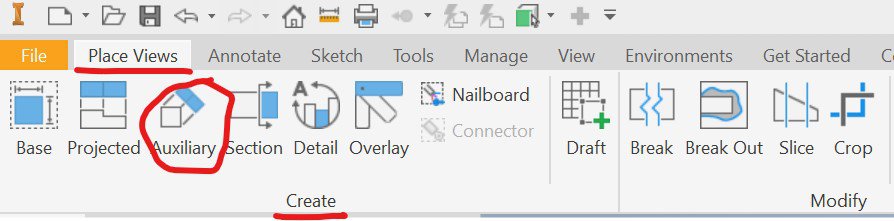
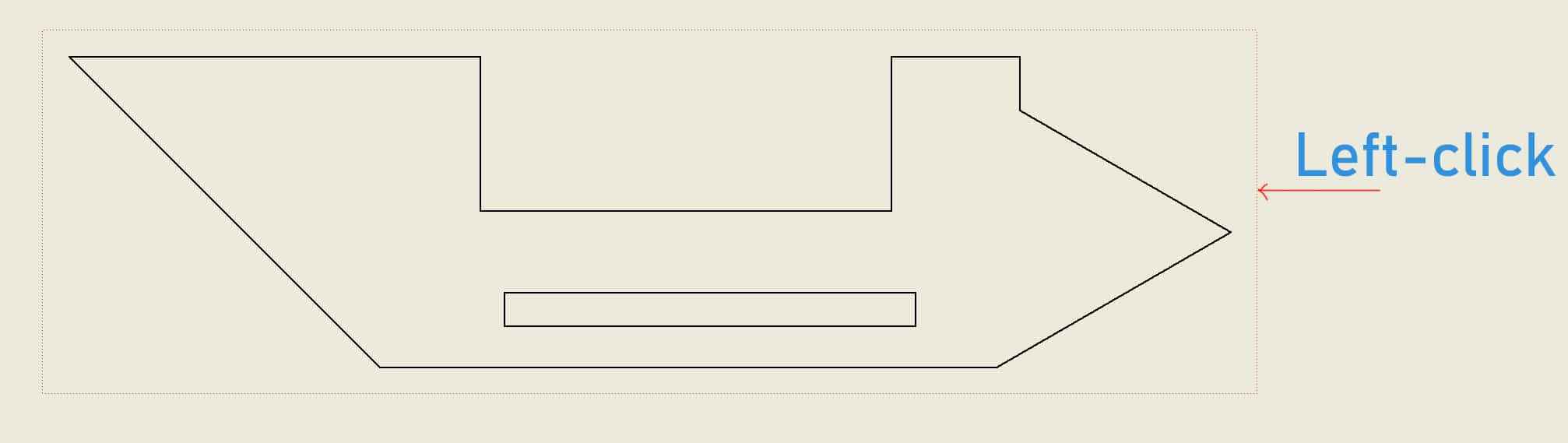
- Click the dotted frame around the base view.
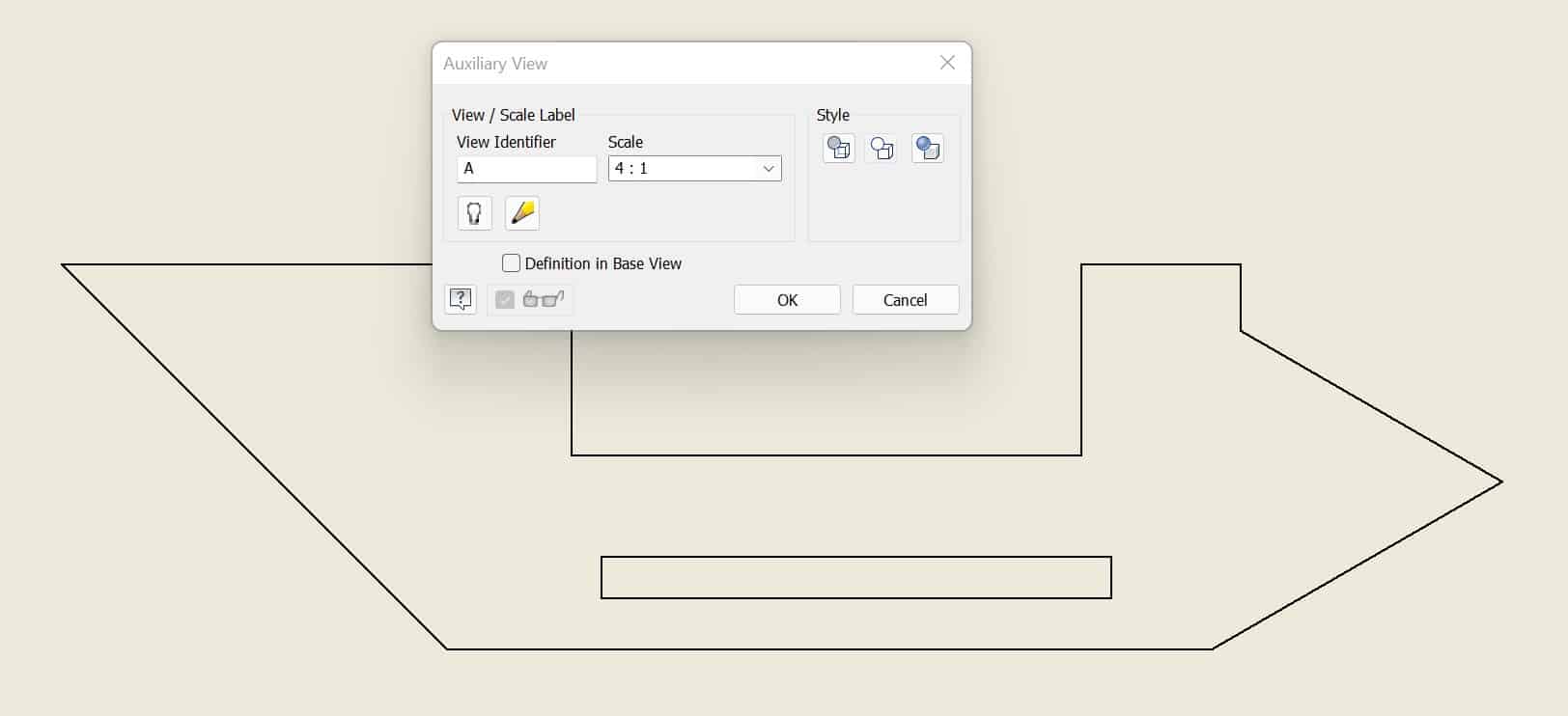
The dialog opens:
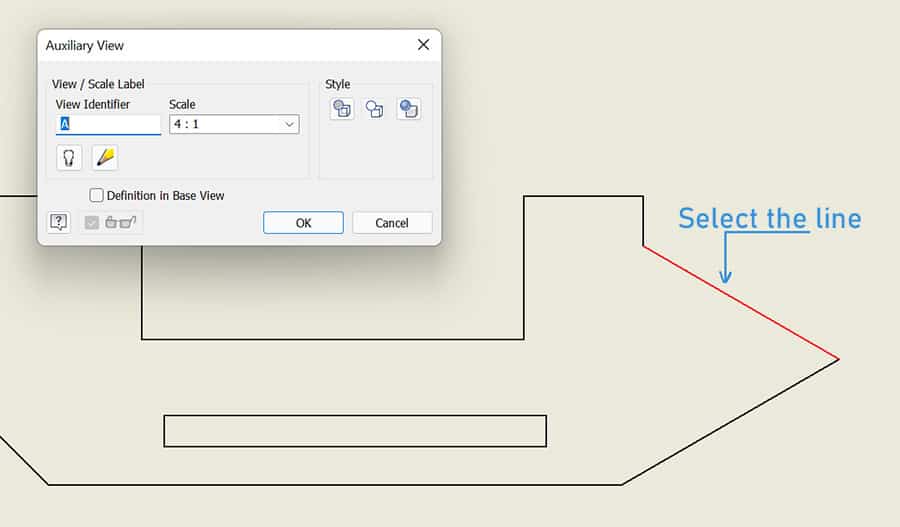
- Hover over the sloped line until it turns red, and click it.
- Place the view. Inventor projects it square to the sloped face:
How do I make a section view in an Inventor drawing?
- Start Section: Place Views tab > Create panel > Section.
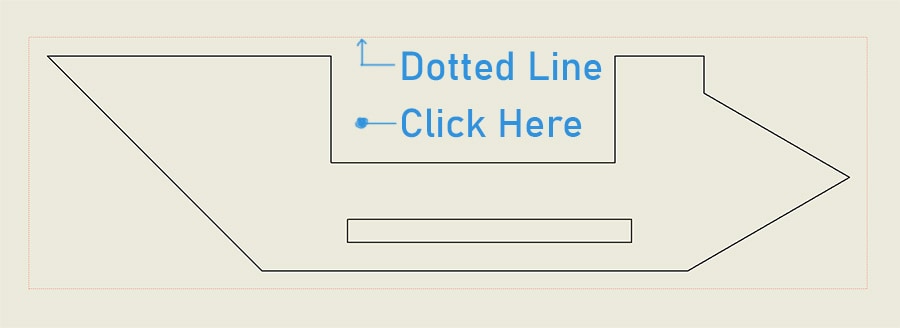
- Move to the base view until the dotted frame appears, and click inside it.
- Draw the cut line: click once above the part and once below it.
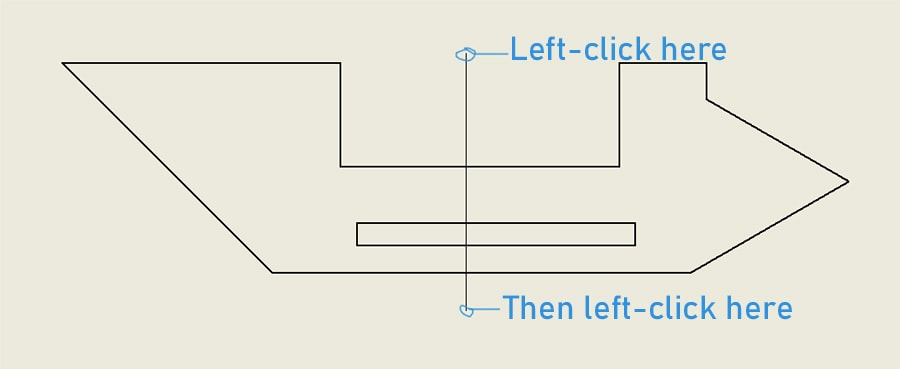
- Move the cursor to the right, right-click and choose Continue.
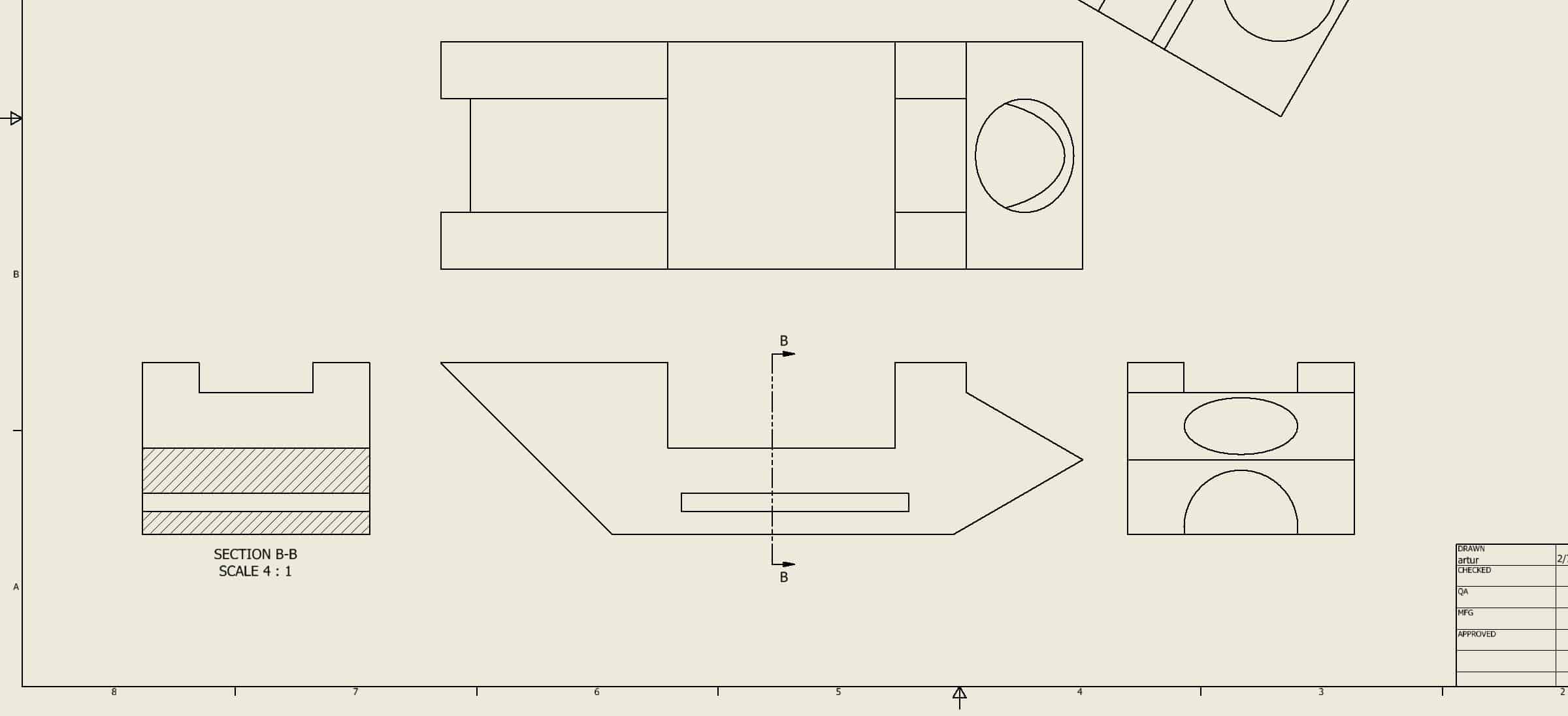
- Place section B-B to the left of the base view.
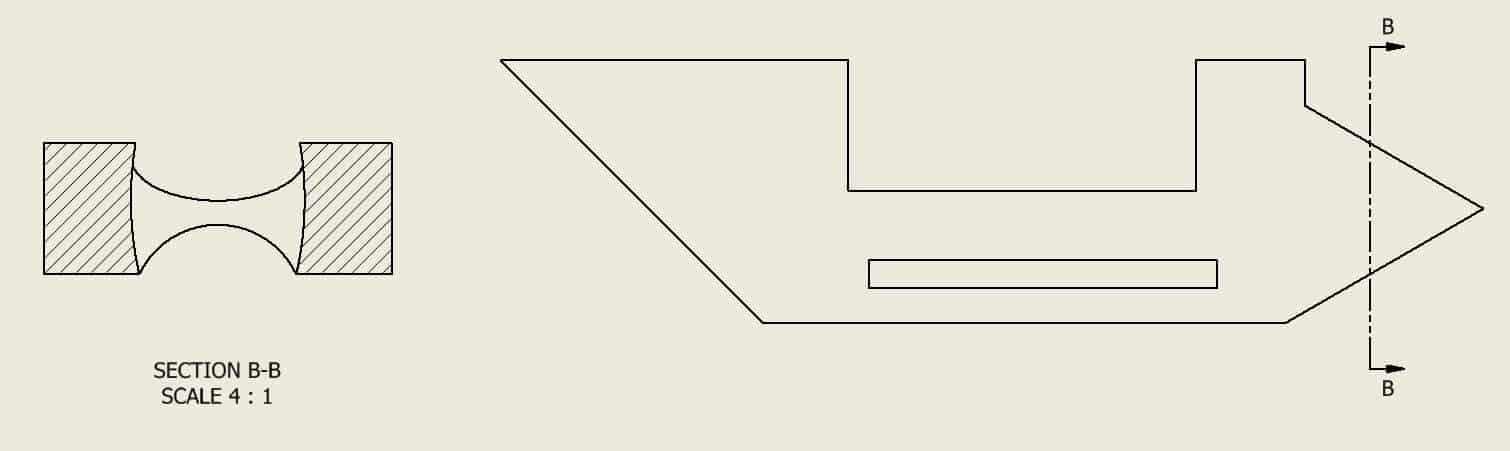
You can move the cut line later by dragging it. The section updates:
How do I make a broken view?
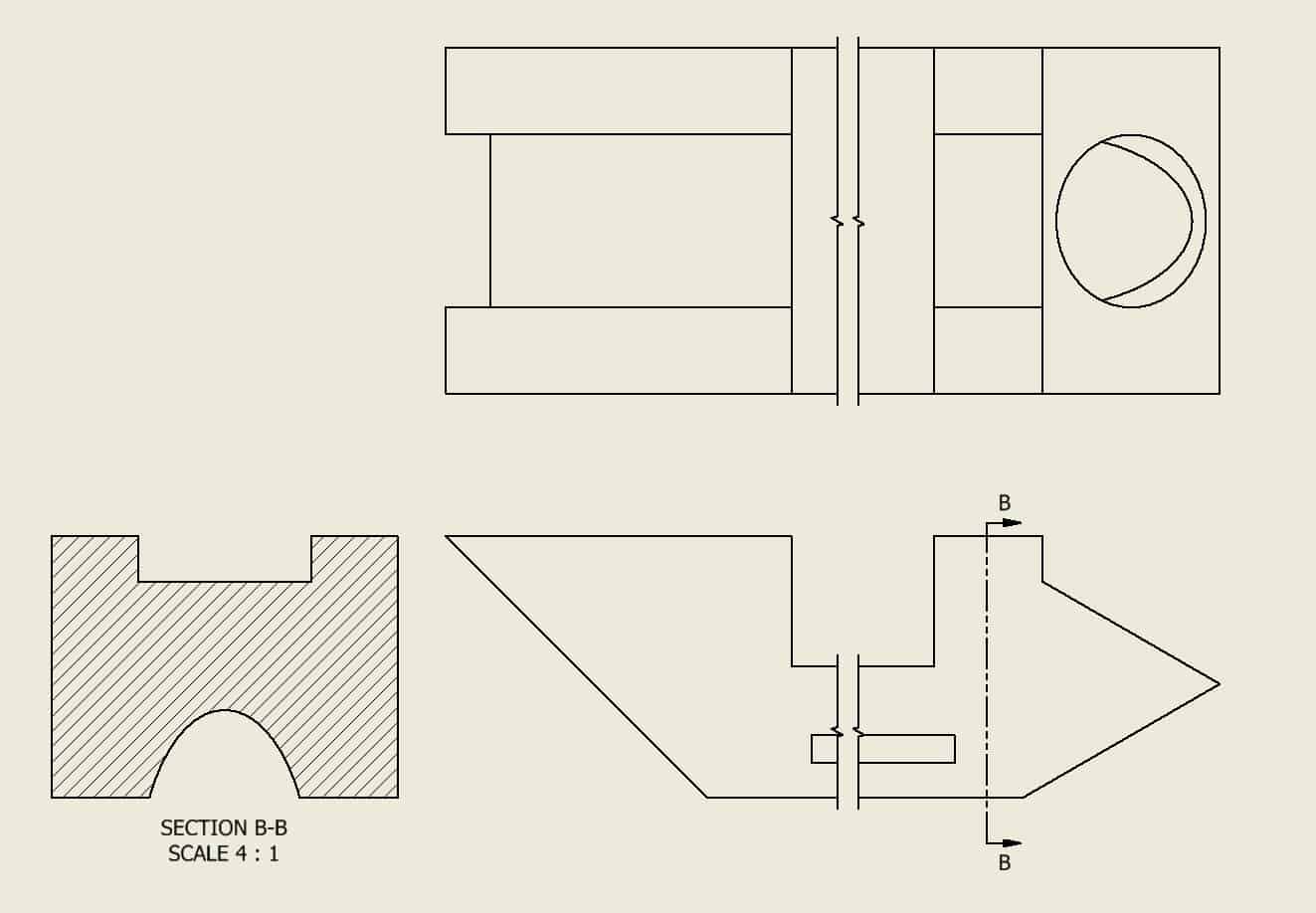
A broken view shortens a long part on the sheet without changing its dimensions.
- First, make room: drag the section view closer to the base view.
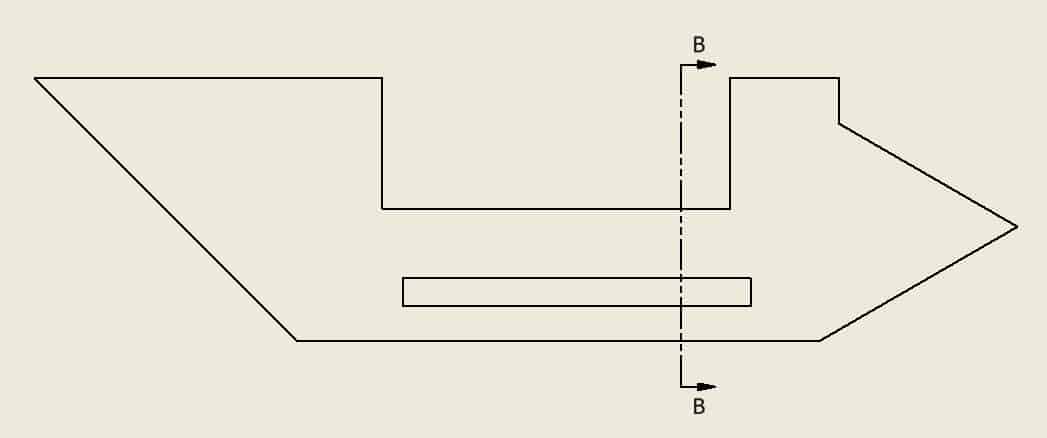
- Start Break: Place Views tab > Modify panel > Break.
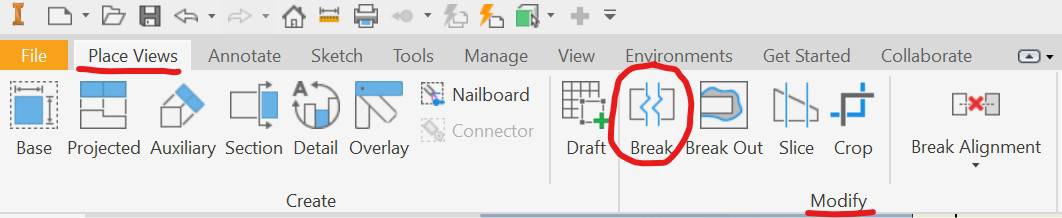
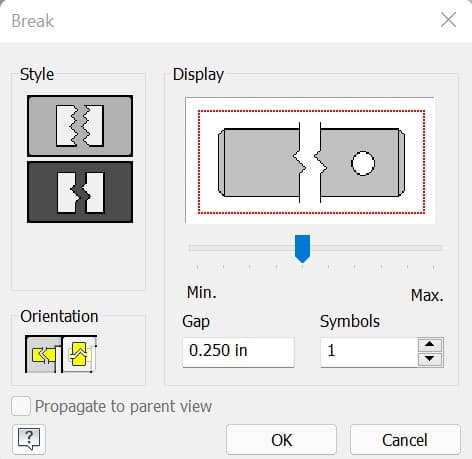
- Click inside the base view. The dialog opens:
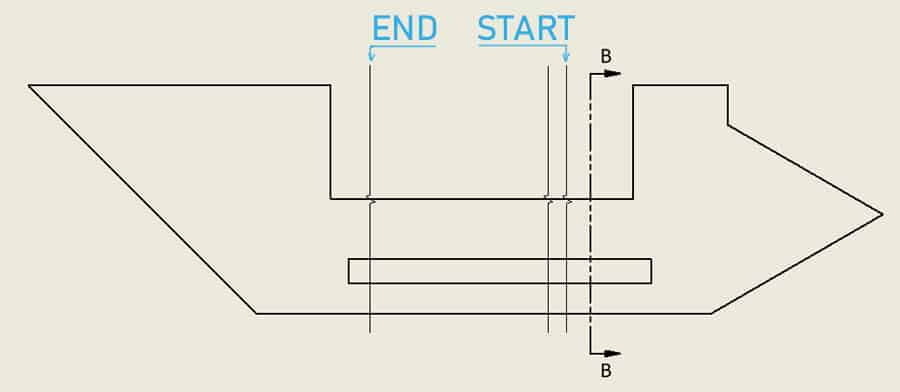
- Click where the break should start, then where it should end.
The result:
How do I add dimensions?
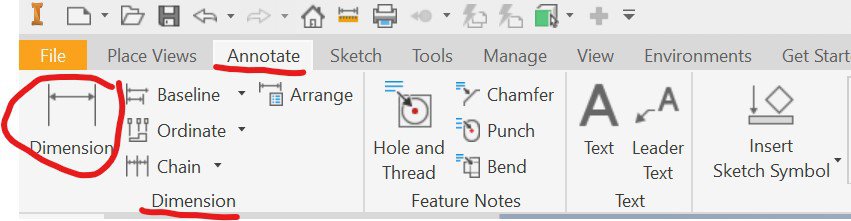
Start Dimension: Annotate tab > Dimension panel > Dimension.
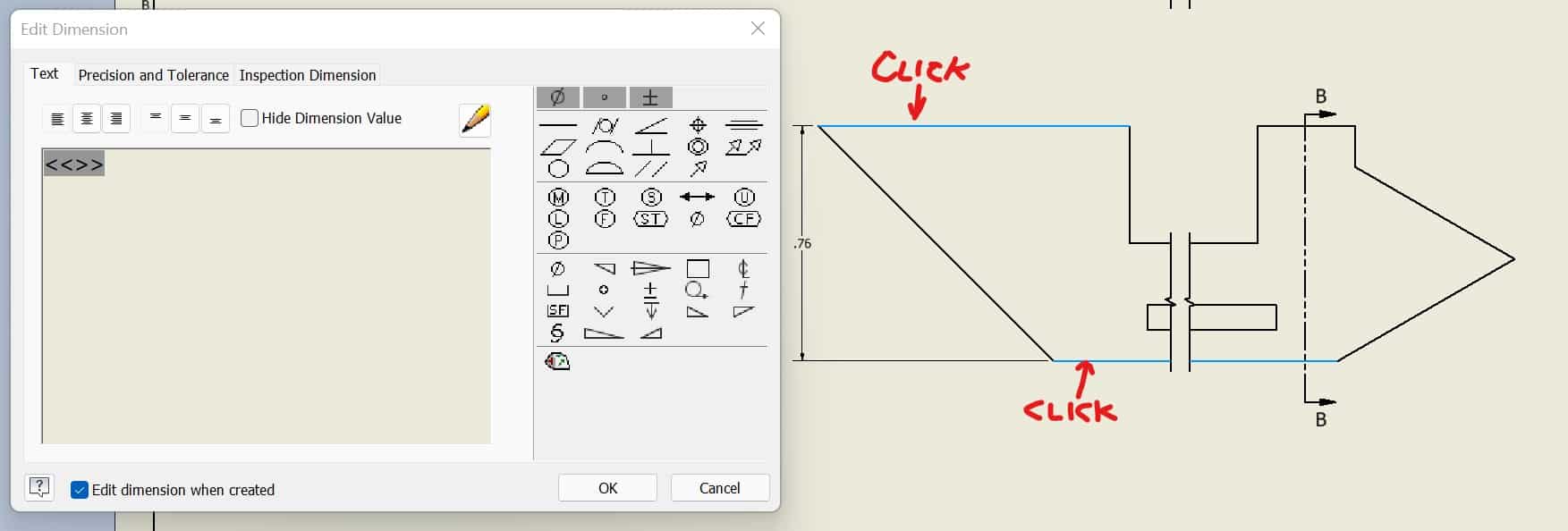
There are a few ways to place one:
Between two lines. Click the two lines you want to dimension between.
On one line. Click the line when it turns red…
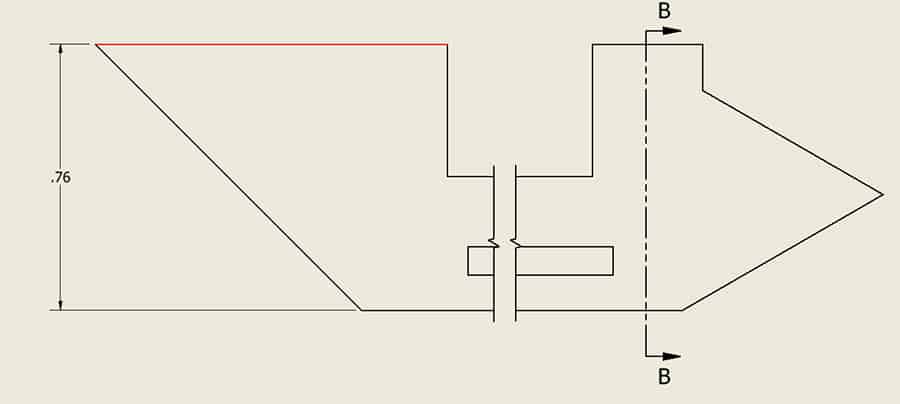
…and pull the dimension away from it.
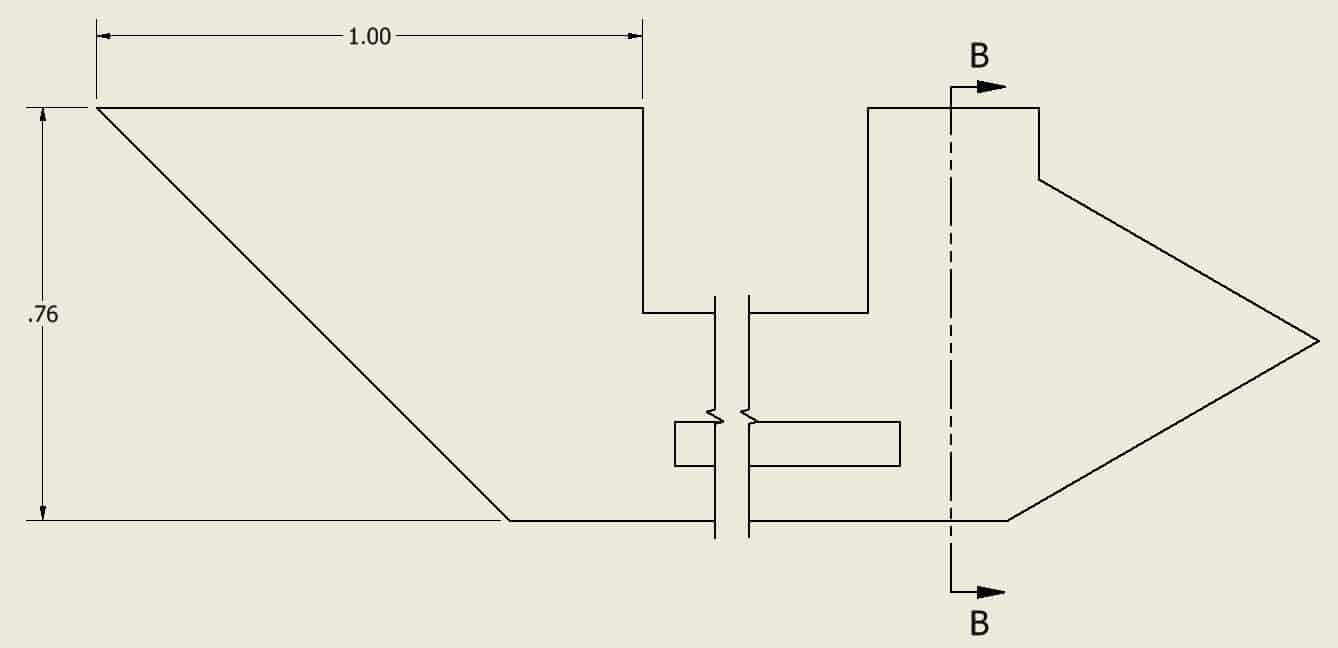
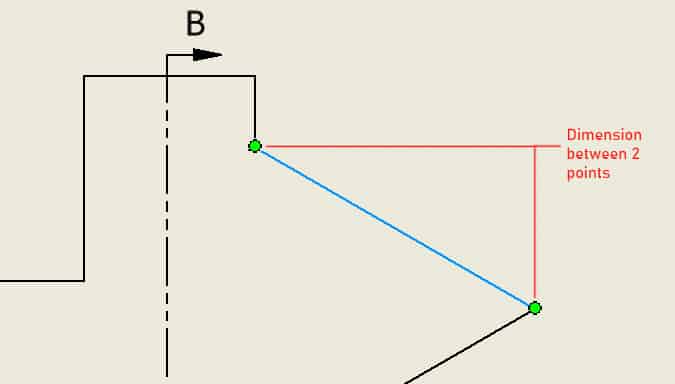
Between two points. Click the end points of the lines:
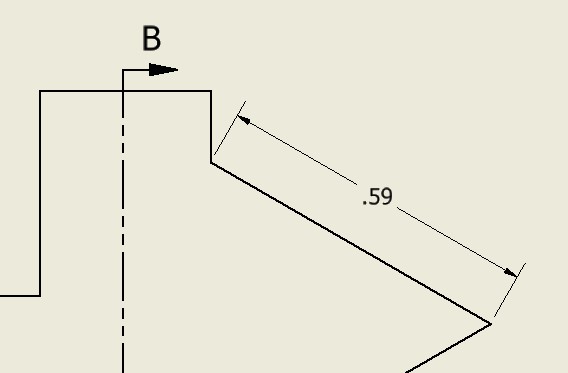
The result:
How do I add notes?
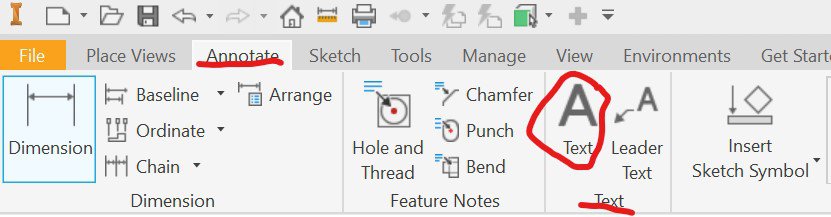
- Start Text: Annotate tab > Text panel > Text.
- Click where the note goes, type it, and adjust the text settings in the dialog.
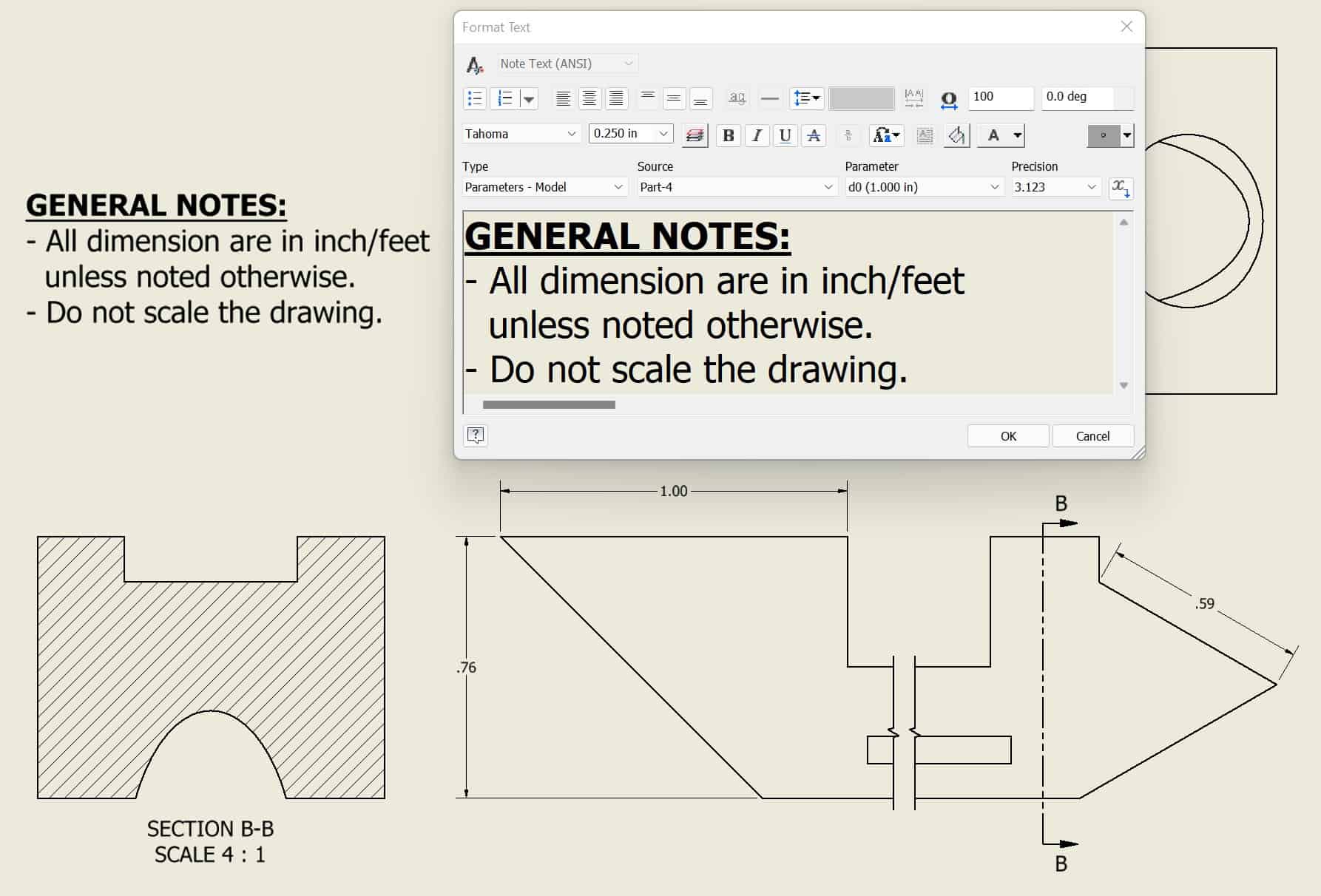
- Click OK.
Why is my section view empty or wrong?
- The cut line misses the part. Redraw it so it crosses the solid.
- The view looks the wrong way. Flip the direction while placing the view.
- Hatching is missing. Double-click the view and check the hatching settings.
Next up: Lesson 5: How to edit existing solid models.