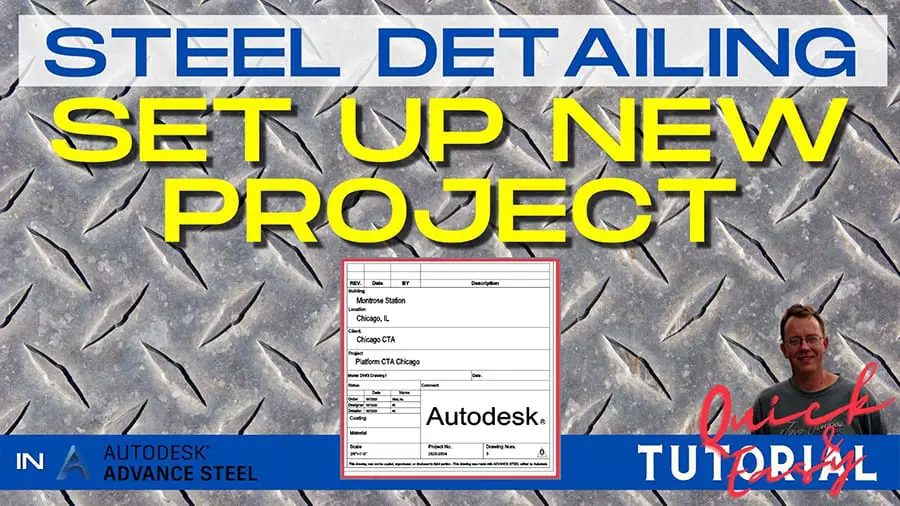
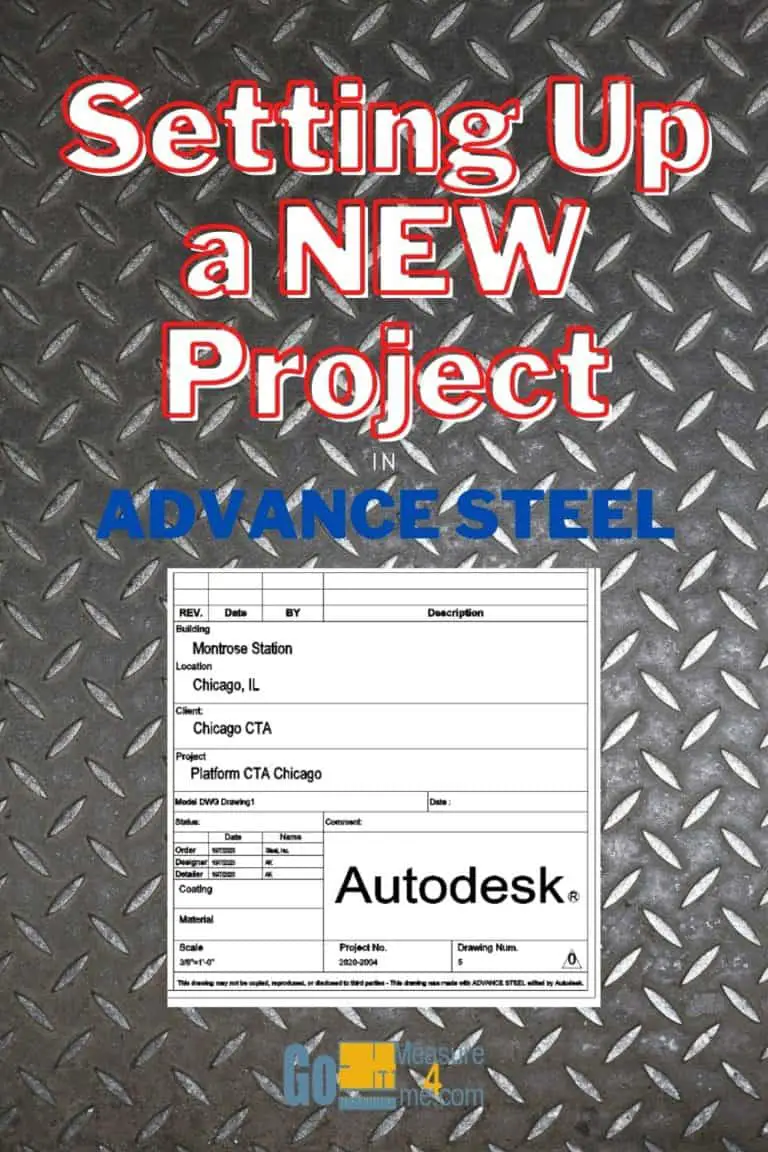
To set up a new project in Advance Steel, open the program, click Start Drawing, then go to the Settings tab and click Project Settings. Fill in the Project Info 1 and Project Info 2 tabs (project name, number, client, address) so the information shows up in the title block of every drawing you make later.
This is Part 00 of my Advance Steel tutorial series for beginners. Over the series I detail a real job from start to finish: a steel maintenance platform for the CTA (Chicago Transit Authority). It’s not a typical building, and that’s exactly why I picked it. Once you can detail an odd little platform like this one, a regular frame will feel easy.
Part 00 is the boring but important bit. Below are the steps, how to check that it worked, what else is worth setting before you model, and what to do when the title block stays empty.
What will you learn in this Advance Steel tutorial series?
Each part covers one step of the job, in the order you’d do it on a real project:
| Part | What you do |
|---|---|
| 00 | Set up the project information (this post) |
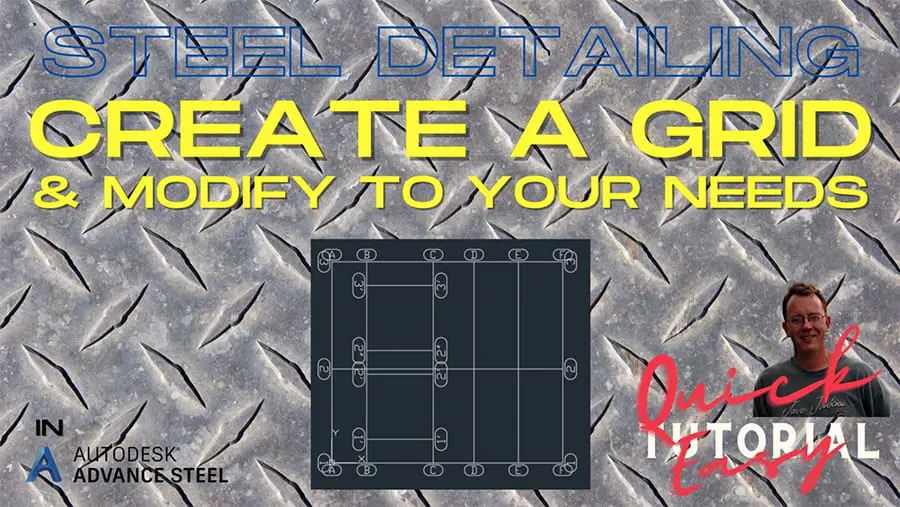
| 01 | Create the grid and fit it to the engineer’s plan |
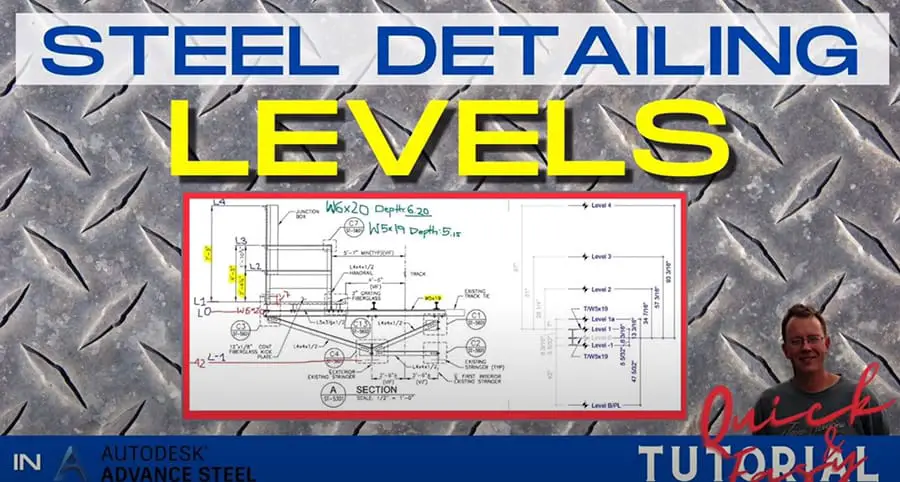
| 02 | Create levels |
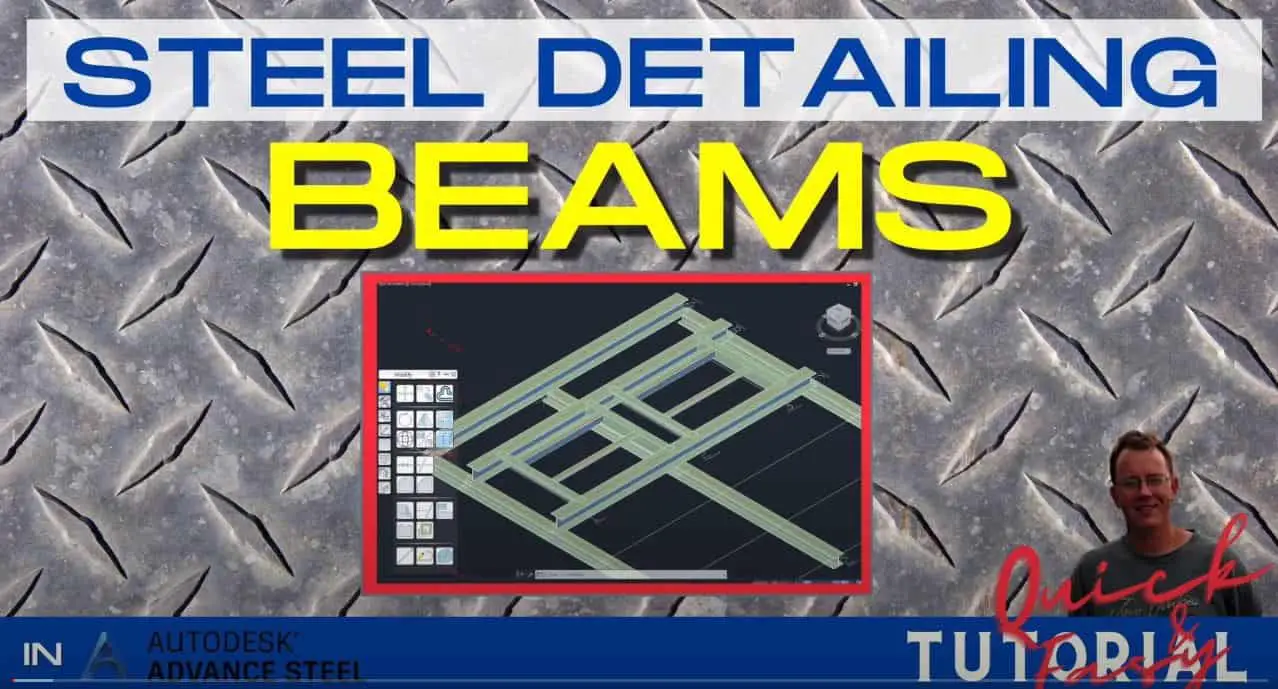
| 03 | Place beams |
| 04 | Create columns |
| 05 | Welded connections |
| 06 | Shorten beams |
| 07 | A custom clip angle connection |
| 08 | Add bolts to the clip angle connection |
| 09 | Add T-braces |
| 10 | Slanted beams |
| 11 | Clip (cope) the beams |
The full list with links is at the bottom of every part.
What do you need before you start?
You need Advance Steel installed. If you don’t have it yet, there’s a free trial, and students can get a free education license. I explain both, and what Advance Steel is, in what is Advance Steel. Basic AutoCAD skills help a lot, since Advance Steel runs on AutoCAD. If you’re new to that, see Advance Steel vs AutoCAD and my list of handy CAD commands.
Watch the step-by-step video:

How do I set up a new project in Advance Steel?
- Open Advance Steel and click Start Drawing.
- On the ribbon, go to the Settings tab and click Project Settings.
- A dialog opens. Fill out everything on the Project Info 1 and Project Info 2 tabs: project name, number, client, address and so on.
That’s it. The project is set up.
How do I check the project info shows on drawings?
Don’t trust it until you’ve seen it on a drawing. I draw one simple beam and create a drawing from it. Then I open the drawing preview and look at the title block. All the project information should be filled in.
If something is missing or misspelled, go back to Project Settings, fix it, and check again. Then save the file. It’s much easier to fix a typo now than on 40 shop drawings later.
Next up: 01: Create the grid.
What else should you set at the start of a project?
A few minutes here saves hours later:
- Save the file in its own project folder. Advance Steel puts drawings, NC files and other output next to the model, so one folder per job keeps things clean.
- Units. For US work, check that you’re working in feet and inches before you place anything.
- The title block. If your company or your client uses its own title block, set it up before you make drawings. I show how in custom prototype title block in Advance Steel.
- The workflow. If you want the big picture first, read Advance Steel workflow explained.
Why is my title block empty?
You filled in the wrong field. Each title block field reads a specific project setting. Check which fields your title block uses and fill in those.
The drawing was made before you filled it in. Update the drawing after changing Project Settings.
Your title block doesn’t link to project info. A custom title block needs its fields linked to the project settings. See the title block post linked above.
The info is spelled wrong on every drawing. Fix it once in Project Settings and update the drawings. That’s why it’s worth checking now, before you have 40 shop drawings.
The whole mini tutorial series
- 00: Set up the project information
- 01: Create the grid
- 02: Create levels
- 03: Place beams
- 04: Create columns
- 05: Welded connections
- 06: Shorten beams
- 07: Custom clip angle connection
- 08: Adding bolts to the clip angle connection
- 09: Adding T-braces
- 10: Slanted beams
- 11: Clipping the beams
If you’d like to see the hardware and software I use every day, it’s all on my toolbox page.